Best Neighborhoods to Visit in Atlanta GA for Business 2026


Atlanta doesn’t just reward sightseeing. It rewards planning.
If you’re flying in to evaluate office space, meet vendors, audit a facility, or map an IT asset disposition program, the neighborhood you choose matters. The right district shortens drive times, gives you better access to decision-makers, and makes on-site work easier when you’re dealing with laptops, servers, network gear, or regulated data-bearing devices. The wrong one leaves you sitting in traffic, negotiating loading docks, or trying to schedule secure pickups around building rules you should’ve known in advance.
That’s why a tourist-style roundup of the Best Neighborhoods to Visit in Atlanta GA isn’t enough for a business audience. You need a practical read on where business occurs, where enterprise operations cluster, and where logistics get simpler or harder depending on the district. For many teams, that means balancing client access, compliance needs, and pickup efficiency with meeting space, hotel convenience, and local mobility. If you’re still finalizing travel, these smart traveler’s hotel booking tips can help you keep the trip efficient.
Below is the operational version of Atlanta. These are the neighborhoods and business corridors worth visiting when your agenda includes IT planning, vendor meetings, secure disposition, healthcare compliance, public sector procurement, or data center work.
1. Midtown Atlanta

Midtown is the easiest place to start if your trip is about business density. You’ll find a concentration of corporate offices, tech firms, professional services, coworking locations, and decision-makers within a relatively compact area. For an IT manager or operations lead, that means more meetings per day with less cross-city friction.
It’s also one of the better districts for mixed agendas. You can meet a vendor in a tower lobby, walk to a client lunch, and still have access to transit if road conditions turn against you. That flexibility matters in Atlanta, where a short map distance can still turn into a slow trip during peak traffic.
What works in Midtown
Midtown works well for companies handling frequent refresh cycles. A national employer replacing laptops, a consulting firm clearing end-of-lease desktops, or a software company retiring network gear after a cloud move can all execute projects here without needing a full-day logistics window.
The main operational advantage is proximity. Building access is usually structured, loading areas can be tight, and freight movement often requires advance coordination. But once those steps are handled, Midtown supports efficient on-site work because your team, your vendor, and your stakeholders are often all nearby.
- Use MARTA strategically: Rail access can save a meeting schedule when roads back up.
- Coordinate with property management early: Dock access, elevator reservations, and COI requirements can slow a pickup if you wait too long.
- Keep the service scope tight: Midtown jobs move faster when inventory, packing needs, and chain-of-custody expectations are defined before arrival.
Midtown is ideal when you need high meeting density and fast access to business stakeholders. It’s less ideal if your project depends on easy truck movement without prior building coordination.
Best fit for ITAD visits
Midtown is a strong fit for quarterly refreshes, office closures, and secure pickups from firms that can’t tolerate operational disruption. A capable partner should be ready to handle on-site packing, removal, asset tracking, and data destruction without turning a routine pickup into a facilities problem.
If you’re pairing a work trip with after-hours client entertainment, this district also gives you plenty of options near the core business zone. For lighter planning around the area, Atlanta Computer Recycling’s guide to Atlanta nightlife and entertainment gives useful local context without forcing you far off route.
2. Buckhead
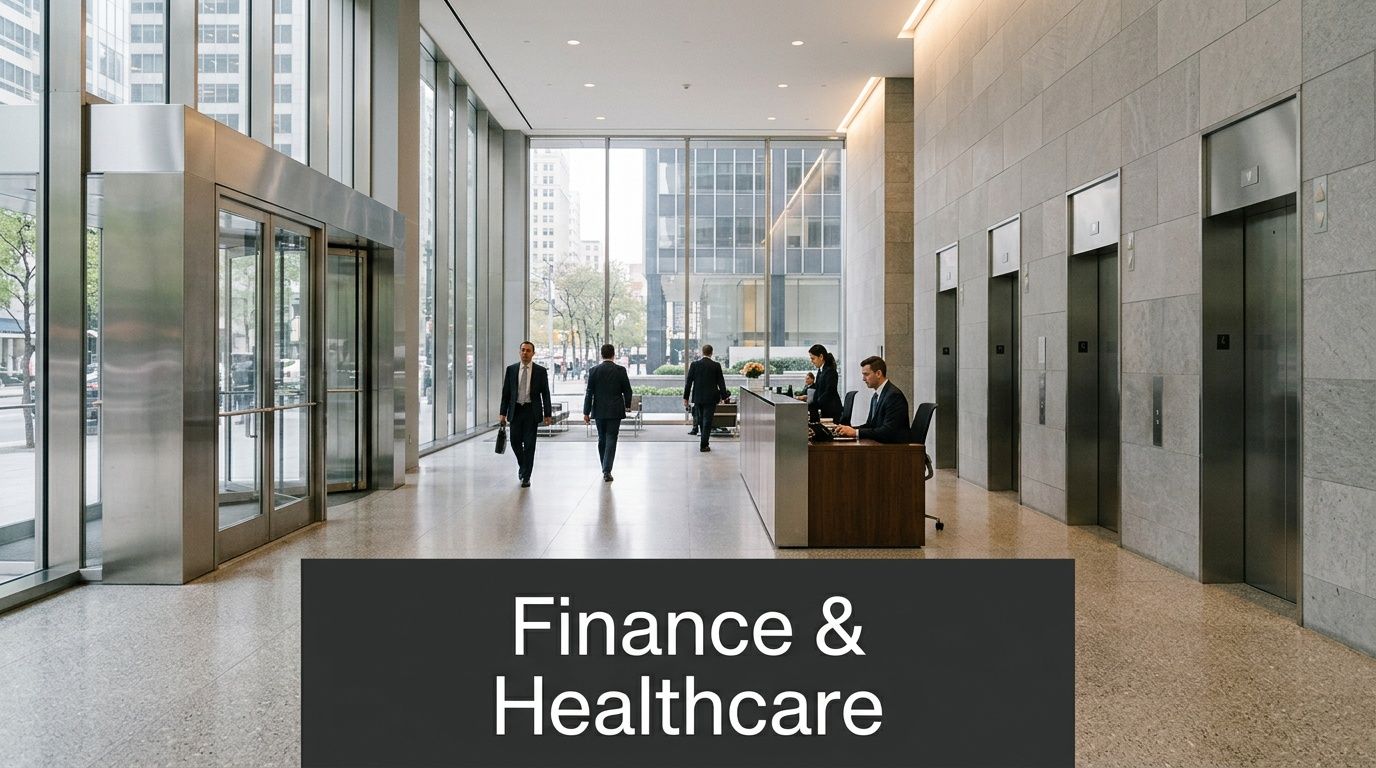
Your team lands in Atlanta for a morning meeting with finance leadership, an afternoon site walk at a high-rise office, and a same-day pickup of retired devices from a confidential workspace. Buckhead works for that kind of visit. It concentrates decision-makers, premium office space, and client-facing venues in one district, which makes it useful for business travel tied to IT projects, asset recovery, and executive account management.
Buckhead fits organizations that care about presentation and control. Financial firms, law offices, private wealth practices, and upscale retail operations all shape the operating environment here. According to a Buckhead overview video, the area ranks highly with visitors and includes more than 100 upscale retailers, while Lenox Square alone draws heavy foot traffic. For a business visitor, the takeaway is straightforward. Expect a dense, active district where timing, building rules, and stakeholder expectations matter.
Where Buckhead pays off
Buckhead is a strong choice for meetings tied to sensitive equipment, executive offices, or brand-conscious environments. If you are coordinating an ITAD visit for a bank branch consolidation, a law firm hardware refresh, or an office move involving partner-level approvals, this district supports high-touch work well. The location gives you access to clients who expect documented processes, discreet crews, and a polished on-site presence.
That expectation changes how a vendor should show up. Crews need a clear inventory, serialized tracking, professional packing standards, and a chain of custody that holds up under audit. Casual pickup language does not land well here. Framing the project around data destruction, asset accountability, and minimal disruption usually gets faster internal approval.
Practical rule: In Buckhead, position the visit as a controlled business operation with documented handling and executive-ready service.
Trade-offs to plan for
Buckhead is less forgiving if your schedule is loose. Traffic pressure, valet-heavy properties, controlled loading areas, and class A building procedures can turn a simple stop into a multi-hour delay if the visit is not staged correctly. That matters for IT managers coordinating removals and for disposition partners responsible for chain-of-custody integrity.
Use narrower pickup windows. Confirm dock access, elevator reservations, COI requirements, and contact names before the truck rolls. If media destruction is part of scope, define whether the client expects on-site shredding, serialized device scans, or post-service certificates before arrival.
Buckhead also works well for relationship management. If you need to keep a client dinner close to the office corridor after a day of site work, Atlanta Computer Recycling’s guide to business-friendly Atlanta restaurants for client dinners is a practical planning resource.
3. Medical District and Healthcare Corridor
Healthcare organizations don’t visit neighborhoods the way leisure travelers do. They evaluate risk. That’s exactly how you should think about Atlanta’s medical corridor.
This part of the metro matters because healthcare workflows don’t stop for your equipment project. If a hospital is decommissioning workstations, retiring storage tied to clinical systems, or clearing old devices from a newly renovated wing, the disposal plan has to fit around patient care, not the other way around. That changes everything about timing, staffing, and documentation.
Compliance drives the visit
For healthcare IT, the first question isn’t convenience. It’s whether your disposal partner can operate inside a HIPAA-sensitive environment without creating exposure. A hospital group retiring old servers that once supported EHR systems, or an imaging center replacing hardware tied to PACS workflows, needs documented control from pickup through final disposition.
That usually means more than a truck and a manifest. You want a provider that will sign a HIPAA BAA when appropriate, issue Certificates of Data Destruction, and maintain a clear chain of custody. If any part of that sounds informal, the vendor isn’t ready for this corridor.
- Schedule around clinical operations: Early planning prevents conflicts with patient flow, loading access, and department shutdown windows.
- Define handling rules for PHI-bearing assets: Don’t assume every device can leave the site before sanitization decisions are made.
- Separate reusable equipment from obsolete media: Hospitals often have a mix of remarketable hardware and items that should go directly to destruction.
What works and what doesn’t
What works here is disciplined project management. Small, predictable pickup windows. Named points of contact. Clean documentation. Staff who know how to move through a controlled environment without creating friction for nurses, facilities teams, or compliance officers.
What doesn’t work is a generic recycling approach. If a vendor can’t explain chain of custody clearly, can’t align on after-hours service, or treats medical devices and office laptops like the same project, that’s a warning sign.
In healthcare settings, the best vendor is usually the one that looks slightly overprepared.
If you’re meeting stakeholders nearby and need a practical option for entertaining visiting staff or vendors, ACR’s roundup of best restaurants in Atlanta can help keep meals close to the business purpose of the trip.
4. Downtown Atlanta

Downtown is the civic engine of Atlanta. If your work involves city agencies, public schools, state offices, procurement teams, or government-adjacent contractors, this is one of the most important areas to visit. The opportunity is large, but the process is formal.
Public sector work rarely moves as fast as commercial work. A government office can have clear disposal needs, aging desktops, old servers, and storage rooms full of retired hardware, but the path from need to approved project is usually controlled by procurement rules, reporting requirements, and contract language.
Why Downtown matters
Downtown is where you build long-cycle business. A city department planning a phased replacement, an agency consolidating equipment across offices, or a public institution needing documented destruction for sensitive media can all produce meaningful, repeatable work. The catch is that you need patience and operational credibility.
Environmental handling matters here, but documentation matters just as much. Agencies want traceability, certificates, and a vendor that understands formal workflows. That includes insurance, bid responsiveness, security protocols, and the ability to follow site rules without repeated supervision.
How to approach it
The most effective visits Downtown are structured. Don’t arrive with a generic capabilities deck and expect momentum. Arrive with a clear understanding of procurement fit, service scope, and reporting standards.
- Know the contract path: If your organization needs a specific vendor status or government purchasing vehicle, confirm it before the meeting.
- Prepare reporting examples: Government buyers usually want to see how asset lists, destruction records, and environmental documentation will be delivered.
- Expect layered approvals: Facilities, IT, procurement, and legal may all influence the final scope.
Public sector projects are won before pickup day. They’re won when your process survives procurement review.
Downtown also works well for business travelers who want to combine civic meetings with broader city orientation. If you need a simple local primer for off-hours planning, ACR’s guide to places to visit in Atlanta can help without pulling you too far from the urban core.
5. Perimeter Center
Perimeter Center is where Atlanta gets serious about enterprise infrastructure. This district is one of the strongest business hubs in the metro for large offices, regional headquarters, and technology-heavy operations. If your trip involves colocation facilities, infrastructure reviews, or large decommissioning scopes, Perimeter Center is one of the Best Neighborhoods to Visit in Atlanta GA for purely operational reasons.
This area isn’t built around sightseeing value. It’s built around scale. That’s why enterprise IT teams, facilities leads, and decommissioning vendors pay attention to it.
Infrastructure-first business travel
Perimeter Center is the right visit when your project is too complex for a standard office pickup. Think floor-to-dock server removals, storage retirement, rack de-installation, or a staged exit from a colocation suite. These are projects where missed details become delays, and delays become security or cost problems.
The work here has to be sequenced carefully. Access approvals, loading plans, escort policies, inventory validation, and sanitization decisions all need to be settled before the first asset is touched. If a client is moving out of a data center or consolidating cages, the vendor should already know how to operate in that environment.
What effective execution looks like
A strong Perimeter Center engagement usually includes a written project plan, named responsibilities, secure chain of custody, and a clear decision tree for reuse versus destruction. On-site data destruction can also make sense when the client wants risk reduced before equipment leaves the facility.
This district is also a reminder that not every ITAD provider is built for data center work. Office cleanouts and enterprise infrastructure retirements look related from a distance. They are not the same job.
- Start with the inventory: Rack counts, device types, drive status, and export requirements should be known up front.
- Confirm site controls: Security clearance, escort rules, and approved work windows can shape the entire project.
- Match the vendor to the environment: A team that handles desktop refreshes well may still struggle with data center decommissioning.
Perimeter Center is worth visiting when the assignment is large, technical, and deadline-sensitive. If the project is simple, another district may be easier. If the project is infrastructure-heavy, the value of serious planning becomes evident.
6. Sandy Springs and North Fulton
Sandy Springs and the North Fulton corridor are practical business territory. They don’t have the same central-city intensity as Midtown, and that’s often the point. Companies here tend to value access, parking, suburban office campuses, and a lower-friction operating environment for recurring business services.
For B2B providers, this corridor often produces a steady stream of mid-market work. Regional headquarters, accounting firms, healthcare offices, service companies, and multi-tenant office parks all create predictable needs around refresh cycles, lease returns, network upgrades, and cleanup events.
Why this corridor is efficient
The biggest advantage here is serviceability. Projects are often easier to stage than in dense urban towers, especially when the work involves repeated pickups or multiple tenant locations. A property manager coordinating an electronics collection day, or a regional corporate office retiring old phones and laptops, can often execute with fewer site restrictions than you’d face in Midtown or Buckhead.
That doesn’t mean the work is casual. It means route planning matters more than prestige. A vendor that understands the corridor can bundle stops, shorten turnaround time, and keep costs controlled without sacrificing documentation or security.
The suburban corridor isn’t glamorous, but it’s where disciplined route-based service can outperform a flashy downtown presence.
Best use cases
This area works well for recurring pickups, office park relationships, and tiered service programs. One client may need a straightforward laptop pickup. Another may need a larger onsite pack-out after a departmental move. A third may want a standing plan for quarterly removals.
That range makes flexibility valuable. The best partners here don’t oversell enterprise complexity to every customer, but they also don’t under-prepare when a larger project appears.
- Build around office clusters: Group nearby stops and schedule with building managers, not just IT contacts.
- Offer tiered service levels: Some clients need serialized tracking and de-installation. Others need fast removal and clear documentation.
- Develop property manager relationships: They often influence repeat business across multiple tenants.
If your goal is to evaluate Atlanta for repeat commercial service coverage, Sandy Springs and North Fulton should be on the list. It’s a strong corridor for organizations that care about consistency more than buzz.
7. Technology Square
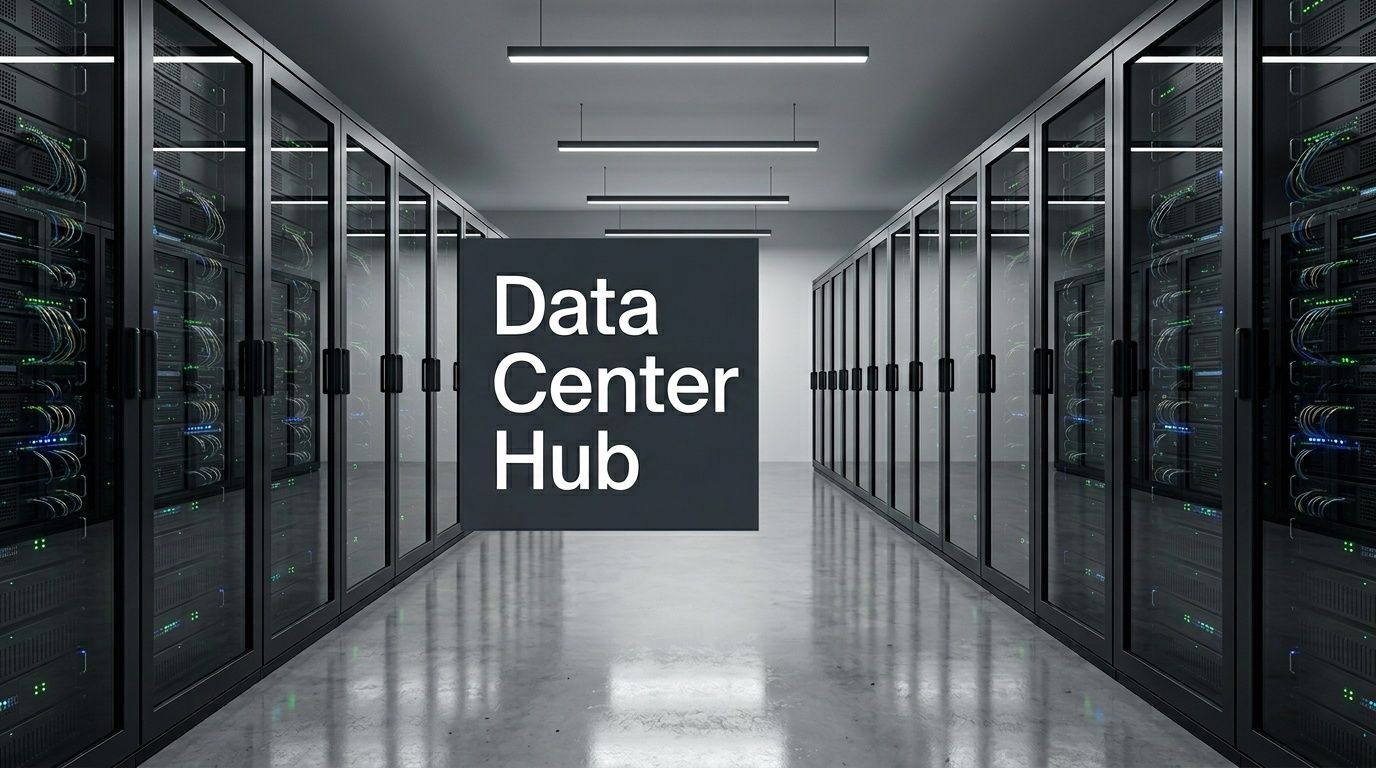
Technology Square feels different from every other district on this list. The pace is faster, the companies are younger, and the hardware lifecycle is often less orderly. That’s not a flaw. It’s the operating reality of an innovation district.
For business visitors, Tech Square is useful because it concentrates startups, research activity, corporate innovation teams, and early-stage growth companies in one environment. If you want to understand where future enterprise demand is forming, Tech Square is the destination.
Why innovation districts matter operationally
Startups don’t always produce the biggest immediate pickups, but they produce frequent change. One company may be returning laptops after a failed pilot. Another may be clearing small server infrastructure after moving deeper into cloud services. A corporate innovation center may be cycling through prototype hardware that needs documented handling even if the quantities are modest.
That makes Tech Square a relationship market. The value isn’t only in today’s project. It’s in becoming the provider a growing company already trusts when it moves from ten devices to a full office refresh.
What wins here
What works best in Technology Square is adaptability. A rigid enterprise sales process can lose smaller, high-potential clients. At the same time, a casual approach to data-bearing assets is a mistake. Even a startup can hold customer data, source code, employee records, and confidential investor material.
The best move is to offer scaled service. Give emerging companies an easy entry point, but keep the standards high on wiping, documentation, and logistics. Educational guidance often matters as much as the pickup itself because many young teams haven’t built formal lifecycle policies yet.
- Keep the first engagement simple: Short scopes, clear pricing logic, and fast scheduling help startups move.
- Educate without lecturing: Founders and ops teams respond well to direct guidance on retention risk and device handling.
- Stay visible in the ecosystem: Events, innovation hubs, and founder networks are often where long-term business starts.
If you’re extending a visit beyond meetings, ACR’s guide to things to do in Atlanta offers nearby ideas that won’t take you far off a Tech Square schedule.
Top 7 Atlanta Neighborhoods: Business Hub Comparison
A visit plan in Atlanta should match the operating model behind the trip. An IT manager scouting service coverage, a facilities lead planning a decommission, and an asset disposition partner evaluating route efficiency will rank these districts very differently than a leisure traveler would. The comparison below focuses on execution risk, compliance load, staffing needs, and account potential.
| Area | 🔄 Implementation Complexity | ⚡ Resource Requirements | ⭐ Expected Outcomes | 💡 Ideal Use Cases | 📊 Key Advantages |
|---|---|---|---|---|---|
| Midtown Atlanta, Tech Hub and Corporate Office District | Medium to High. Building access rules, loading coordination, and traffic add scheduling pressure | Medium. Regular pickup capacity and secure handling staff | High. Strong pipeline for recurring enterprise ITAD work | Corporate refreshes, office IT disposals, scheduled pickup programs | Dense concentration of business clients, strong transit access, efficient multi-stop planning |
| Buckhead, Financial and Professional Services Hub | High. Security expectations and formal approval processes slow execution | High. White-glove service, certified destruction, polished client communication | High. Premium projects with strong compliance expectations | Banks, law firms, wealth managers, executive office cleanouts | Clients often support higher service levels and maintain stable operating budgets |
| Medical District and Healthcare Corridor | Very High. Clinical schedules, regulated data, and documentation standards increase project control requirements | Very High. Specialized handling, detailed records, after-hours labor | Very High. Long-term healthcare accounts with strict service requirements | Hospitals, clinics, EHR and PACS equipment retirement, PHI-bearing device disposal | Regulatory pressure drives repeat demand for disciplined vendors |
| Downtown Atlanta, Government and Civic Hub | High. Procurement cycles, site rules, and formal reporting can extend timelines | Medium to High. Certifications, bid support, reporting discipline | High. Public sector contracts can produce reliable volume over time | Government surplus, municipal data center work, civic office clear-outs | Large project scope and strong emphasis on sustainability reporting |
| Perimeter Center, Data Center and Enterprise Hub | Very High. Secure facilities and uptime constraints require detailed project planning | Very High. De-racking crews, secure transport, on-site destruction capability | Very High. Large decommissioning engagements with meaningful contract value | Data center migrations, colocation exits, enterprise infrastructure retirement | Best fit for high-volume projects and repeat work tied to facility operations |
| Sandy Springs and North Fulton, Suburban Corporate Corridor | Medium. Geography matters more than compliance in many jobs here | Medium. Route-based pickups and predictable field scheduling | Medium. Consistent mid-market revenue and repeat service calls | Regional headquarters, office parks, e-waste events, phased refreshes | Lower service friction than core urban districts and better route efficiency |
| Technology Square, Innovation District | Low to Medium. Buyer processes are lighter, but account maturity varies | Low to Medium. Flexible service packages and responsive scheduling | Medium. Near-term revenue is smaller, but account growth can be strong | Startups, accelerators, innovation labs, early office expansions | Early access to growing companies and fast relationship development |
The practical takeaway is simple. Atlanta is not one market from an operations standpoint. Midtown and Buckhead reward teams that can handle building logistics and client-facing service quality. The medical corridor and Downtown require tighter process control because compliance, procurement, and documentation drive the engagement. Perimeter Center favors vendors built for scale, while Sandy Springs and North Fulton support efficient recurring routes.
For business visitors, the best neighborhood is the one that reduces execution risk for the work on your schedule. If the assignment involves chain of custody, loading dock access, after-hours pickup, or serialized inventory, district selection changes staffing, timing, and margin.
Your Strategic Partner in Atlanta's Business Landscape
Every Atlanta neighborhood on this list supports business travel in a different way. Midtown is efficient for dense meeting schedules and office-driven IT work. Buckhead is best when the client expects polish, confidentiality, and white-glove handling. The medical corridor demands compliance discipline. Downtown rewards vendors who understand formal procurement. Perimeter Center is built for infrastructure-scale projects. Sandy Springs and North Fulton support repeatable route-based service. Technology Square gives you access to companies that may become major accounts later.
The practical takeaway is simple. You shouldn’t choose where to visit based only on what’s popular. You should choose based on the type of operation you’re running while you’re in Atlanta. If the assignment involves regulated data, loading access, serialized inventory, after-hours pickup windows, or decommissioning at scale, the neighborhood changes the execution plan.
That’s where Atlanta Computer Recycling fits. ACR serves business clients across the metro with on-site IT asset disposition, secure data destruction, electronics recycling, packing, pickup, and project logistics designed for commercial environments. For hospitals and healthcare organizations, that means support aligned with HIPAA-sensitive workflows. For enterprises and data center operators, it means organized decommissioning and documented chain of custody. For public sector teams, it means clear reporting and responsible disposition. For office-based organizations, it means efficient removal with minimal disruption to staff and facilities.
The company’s operating model is especially relevant for the audiences that matter most in these districts. IT managers dealing with refresh cycles. System administrators coordinating relocations. Hospitals retiring devices that may contain protected information. School systems clearing labs. Government departments managing secure media. Data center teams shutting down racks and planning exit timelines. In each case, the problem isn’t just getting old equipment out of the building. It’s doing it without creating risk, operational drag, or landfill waste.
If you’re evaluating the Best Neighborhoods to Visit in Atlanta GA from a business standpoint, keep the visit grounded in outcomes. Who do you need to meet. What assets need to move. What compliance standard applies. How hard will site access be. Can your vendor execute cleanly in that district. Those questions lead to better trips and better projects.
Atlanta Computer Recycling helps businesses across the metro retire IT equipment securely, efficiently, and responsibly. If you’re planning a pickup, office cleanout, healthcare disposal project, or data center decommissioning, contact Atlanta Computer Recycling for business-focused ITAD and electronics recycling support.