How Sandy Springs Weather Impacts Your Commercial IT Asset Disposition

When your business is managing an IT asset disposition (ITAD) project, the sandy springs weather isn't just small talk—it’s a significant operational and financial risk. Overlooking the local climate, from oppressive summer humidity to sudden downpours, exposes your business to equipment damage, data security breaches, and costly logistical delays. For any organization decommissioning hardware, understanding these environmental factors is a critical step in protecting your assets and your bottom line.
Why Weather is a Critical ITAD Risk Factor for Businesses
It’s easy to dismiss weather as a minor logistical issue, but this is a common and costly oversight for businesses. Here in Sandy Springs, our specific climate creates a unique set of challenges that can compromise sensitive electronics at every stage of the disposition process. The moment that equipment is powered down and removed from its climate-controlled environment, weather becomes an active threat to its value and the data it holds.
This isn't just about a few hot days in July. The real hot season lasts for approximately 3.8 months, from late May to mid-September, with average daily highs consistently above 82°F. That sustained heat and humidity puts immense strain on everything from equipment staged on a loading dock to the vehicles transporting it, dramatically increasing the risk of hardware failure and data compromise.
This diagram breaks down the main weather threats your corporate IT assets will face during a disposition project.
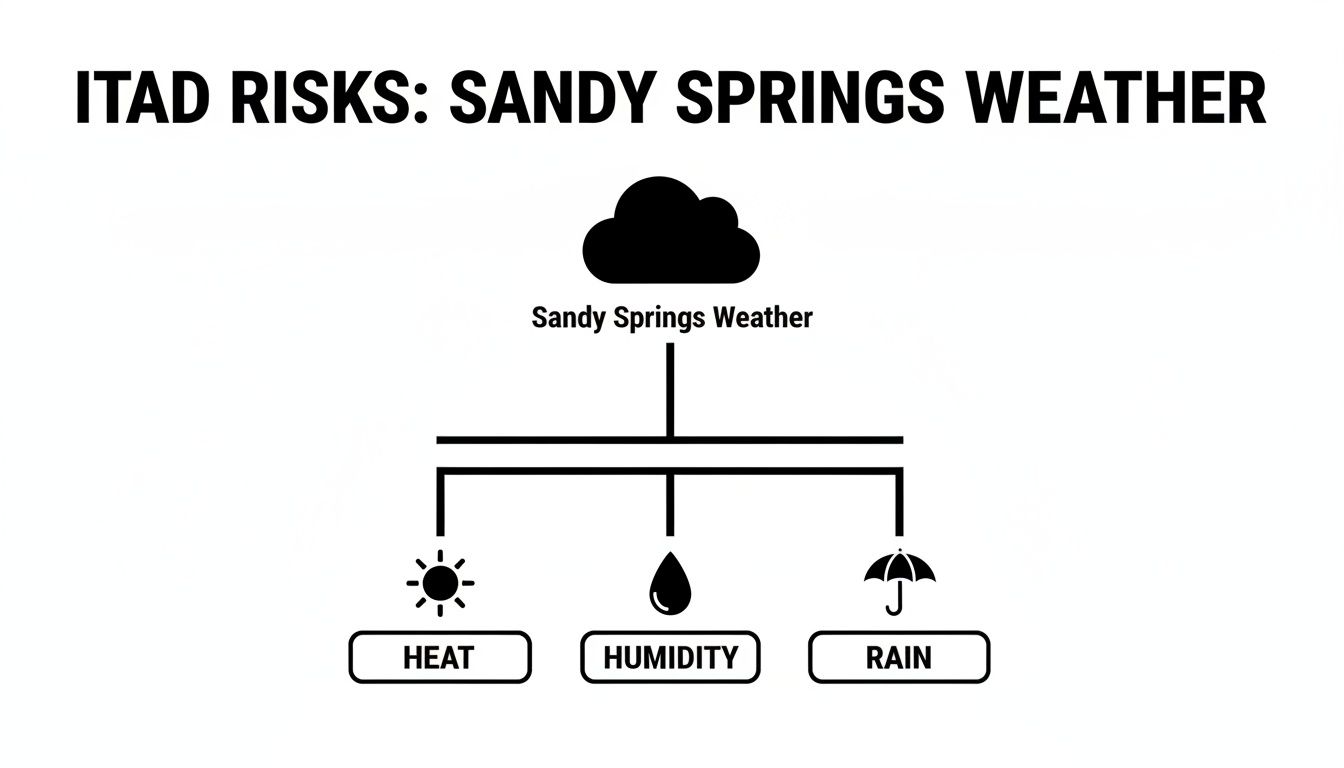
As you can see, heat, humidity, and rain are not isolated issues. They are interconnected business risks that demand a comprehensive risk mitigation strategy.
Key Weather-Related Threats to Your Corporate Assets
Ignoring these conditions can have serious financial and security consequences for your retired IT hardware. These are not abstract risks; they are practical, on-the-ground problems that a professional ITAD partner must be equipped to mitigate.
The biggest threats include:
- Component Degradation: Extreme heat, even after equipment is powered down, can warp plastic casings, degrade thermal paste, and shorten the recoverable life of components like SSDs, diminishing asset recovery value.
- Condensation and Corrosion: Moving hardware from a cool, air-conditioned office to a hot, humid loading dock is a recipe for disaster. Condensation can form inside devices, causing short circuits, corroding sensitive connectors, and jeopardizing data retrieval.
- Logistical Delays and Security Breaches: A sudden thunderstorm can halt transport, leaving assets staged in insecure areas or sitting in a non-climate-controlled truck. This creates a significant security vulnerability and a break in the chain of custody.
To help your business plan, the table below outlines the primary weather challenges in Sandy Springs and their impact on ITAD logistics.
Seasonal Weather Impact on ITAD Operations in Sandy Springs
| Season | Primary Weather Challenge | Impact on IT Assets & Logistics | Recommended Business Action |
|---|---|---|---|
| Spring | High pollen counts, unpredictable rain, and emerging humidity. | Pollen can clog filters and coat electronics, affecting resale value. Rain can halt pickups and create water damage risks. | Use covered pallets and sealed transport. Schedule pickups to avoid forecasted heavy rain. |
| Summer | Intense heat and extreme humidity, frequent thunderstorms. | High risk of condensation and heat-related component failure. Afternoon storms cause costly delays and security risks. | Mandate climate-controlled vehicles. Prohibit outdoor staging of assets. Plan pickups for early morning to minimize heat exposure. |
| Fall | Lingering heat and humidity, occasional tropical storm remnants. | Heat stress remains a factor. Heavy rains from storms can cause flooding, disrupting transport and posing a security risk. | Monitor tropical weather systems. Ensure your ITAD partner has robust contingency plans for routing and scheduling. |
| Winter | Cold snaps, freezing rain, and occasional ice. | Sudden temperature drops can make plastics brittle and cause thermal shock. Icy roads create significant transport hazards and delays. | Confirm your logistics provider is insured and equipped for icy conditions. Protect assets from direct exposure to freezing temperatures. |
Ultimately, a proactive, weather-aware strategy is fundamental to a secure and efficient ITAD process. It protects your hardware, your data, and your company's financial return.
Understanding these risks allows your business to shift from a reactive to a proactive risk management mindset. A weather-aware approach is fundamental to a successful IT asset disposition plan. You can check out our complete guide on what IT asset disposition is to learn more about the entire process.
Managing Summer Heat and High Humidity Risks for Your Business
The long, sweltering summers that define Sandy Springs weather are more than just uncomfortable—they’re a direct threat to your retired corporate electronics. The combination of intense heat and oppressive humidity creates a high-risk environment for any IT asset disposition project, turning simple logistics into a high-stakes operation with significant financial implications.
Consider the effect of leaving a tablet in a parked car on an August afternoon. The internal components bake, adhesives soften, and delicate circuits are put under immense stress. Now, apply that same scenario to a pallet of servers sitting on a loading dock or inside a truck without climate control. The damage can happen rapidly, is often irreversible, and can render valuable assets worthless.
Sustained high temperatures, which often climb above 82°F for months, accelerate the natural decay of electronic components. The problem is compounded by high humidity, which introduces a sneakier but equally destructive threat: condensation.
The Hidden Dangers of Heat and Humidity
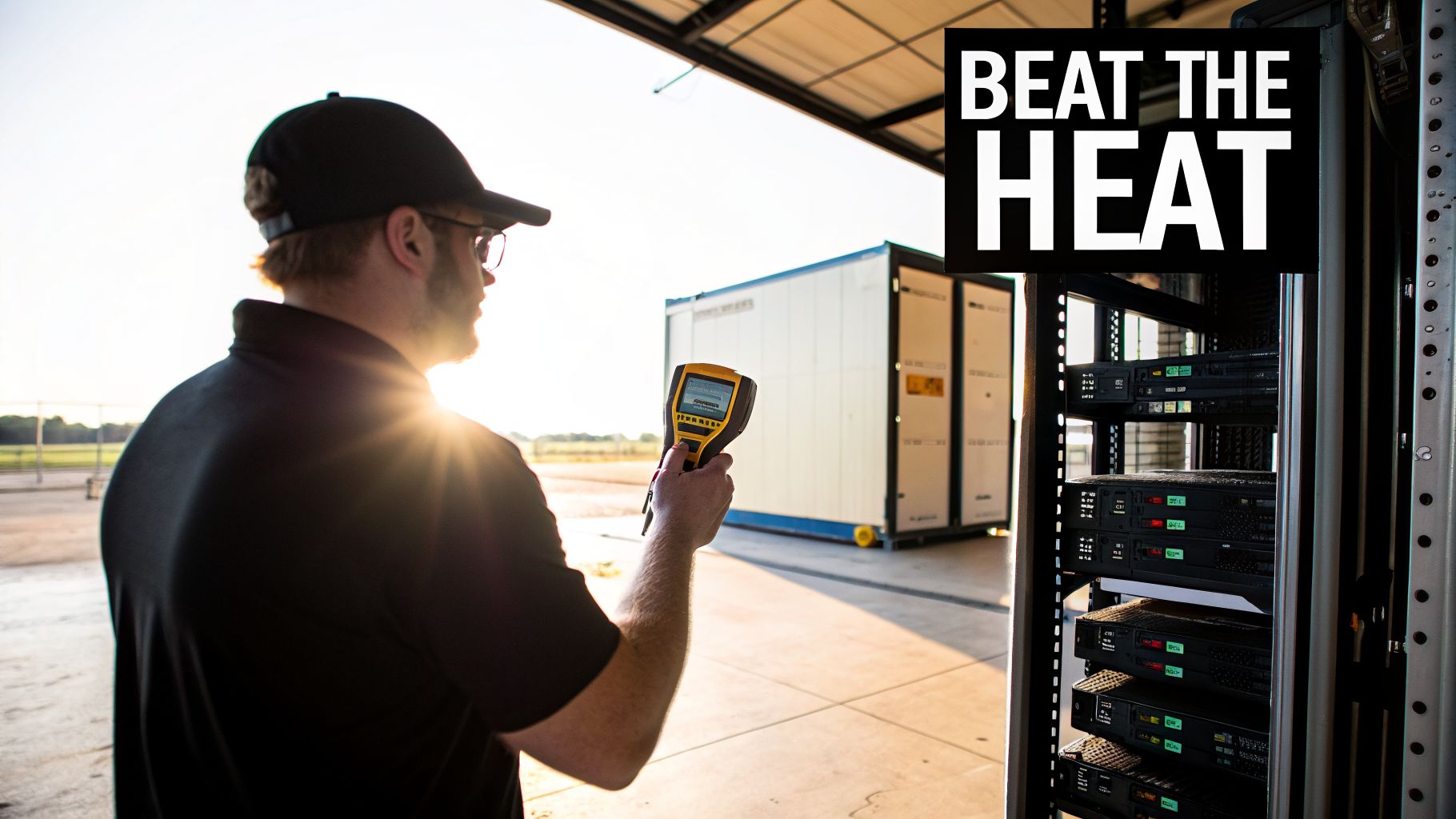
When you move electronics from a cold, air-conditioned data center into the warm, humid outdoors, microscopic water droplets can form on and inside the devices. This moisture can cause short circuits, corrode sensitive connectors, and lead to complete hardware failure. This not only puts the asset's remarketing value at risk but also the integrity of the data stored on it.
These environmental factors aren't just a problem in Sandy Springs; they are a major concern for businesses across the entire Atlanta metro area. For a closer look at how a neighboring city deals with these challenges, you can learn more about managing ITAD projects in the weather of Alpharetta, Georgia.
For business leaders and IT managers, mitigating these risks comes down to proactive planning and enforcing strict vendor protocols. Simply hoping for a cool day is not a viable business strategy.
Key Business Insight: The greatest danger isn't just the heat or the humidity alone, but their combined effect. This double-threat requires a clear, documented plan for moving sensitive assets during the summer—one that your ITAD partner must be contractually obligated to execute perfectly.
Practical Strategies for Summer ITAD Projects
Protecting your assets from summer weather requires a few non-negotiable steps. When vetting an ITAD partner or planning a project, your business must insist on these heat and humidity mitigation strategies:
- Climate-Controlled Transport: This is the single most critical requirement. Your provider must utilize sealed, climate-controlled vehicles that maintain a stable temperature and low humidity from your facility to theirs.
- Strategic Scheduling: Avoid mid-day pickups when heat and UV exposure are at their peak. Schedule asset removals for early morning hours to leverage cooler temperatures.
- No Outdoor Staging: Assets must never be left on an open loading dock or in any unsecured area exposed to the elements. The chain of custody requires a direct and swift move from your building to the secure transport vehicle.
- Verify Handling Protocols: Ask potential partners for their documented procedures for handling equipment in extreme heat. A professional provider will have specific, auditable protocols in place to minimize exposure and prevent condensation.
By demanding these safeguards, you transfer the risk of managing the challenging Sandy Springs weather to your expert partner, ensuring your assets and data are protected at every stage.
Protecting Assets from Year-Round Rain and Moisture
For businesses operating in Sandy Springs, there is no designated "rainy season." It's a year-round reality. That consistent precipitation makes moisture a constant threat for anyone managing IT assets, especially during a decommissioning project. From the moment equipment is packed at your office to its final transport, the risk of rain and humidity is always present.
Even a brief downpour can be disastrous. Water seeping into electronics can mean corroded connectors, shorted circuit boards, and compromised hard drives. For a company focused on data security and compliance, that’s a critical failure. Moisture can even jam the physical shredders used for data destruction, bringing the entire process to a halt and creating compliance risks.
Why a Tarp is Not an Adequate Control
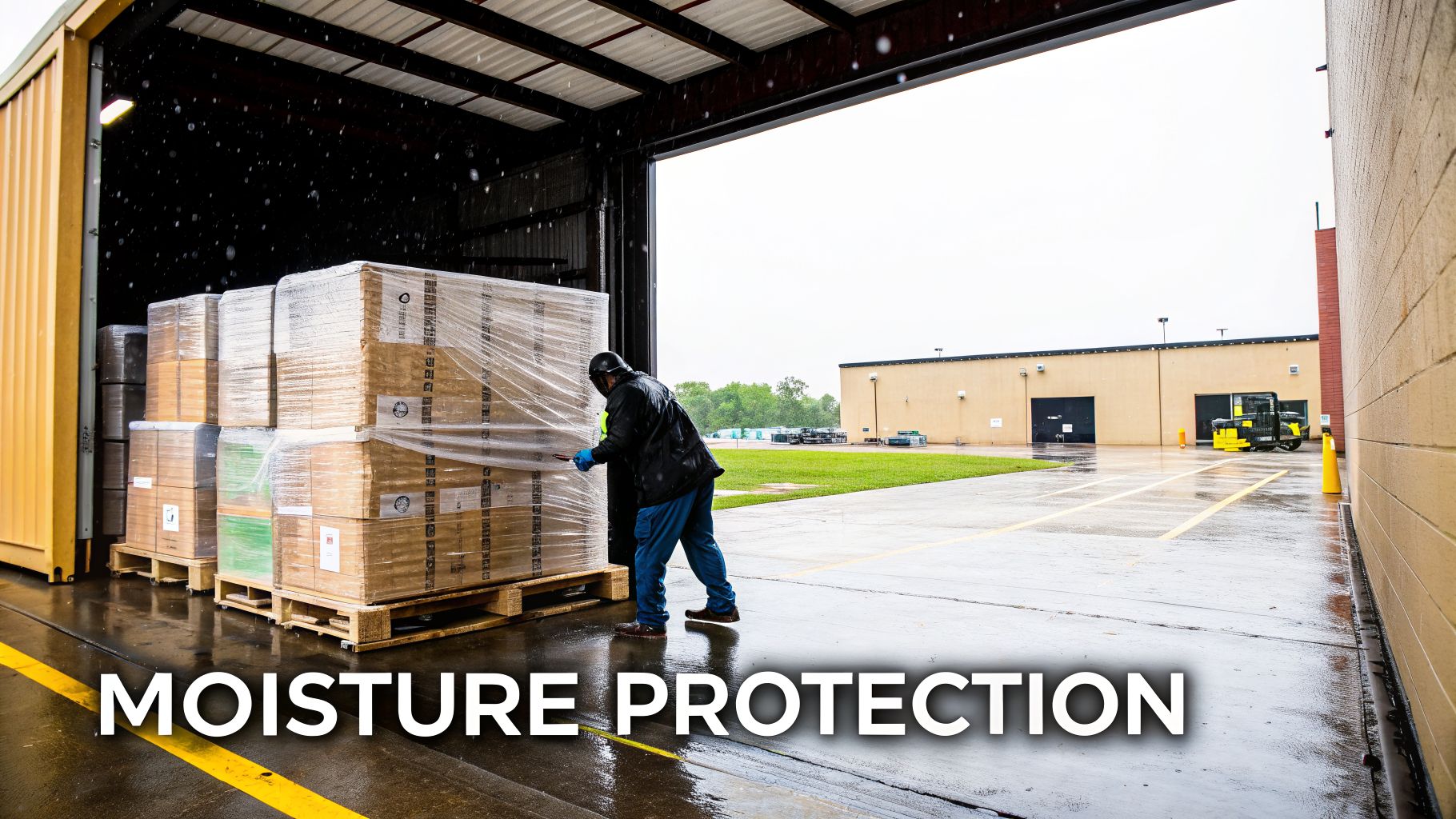
A common mistake is assuming a tarp over a pallet of servers on a loading dock is sufficient protection. It isn't. A sudden gust of wind or heavy rain can easily bypass such flimsy measures, putting thousands of dollars of equipment—and your sensitive corporate data—at severe risk. A professional ITAD partner understands this and builds their entire process around preventing moisture intrusion.
Even in a "drier" month like November, Sandy Springs still averages 5.34 inches of rain. Combined with humidity levels often hovering around 67%, this creates a consistently damp environment that is hostile to sensitive hardware.
The most vulnerable moment for your IT assets is the transition from the security of your building to the transport vehicle. Without a disciplined, weather-proof process for this critical handoff, all other security measures can be nullified by a single rainstorm.
Best Practices for Moisture Protection
To properly shield IT assets from year-round rain, it’s vital to understand what items need climate controlled storage—and high-value electronics are at the top of that list. When vetting an ITAD provider, ensure they adhere to these non-negotiable standards:
- Sealed and Enclosed Transport: The truck must be a fully enclosed, watertight vehicle. A canvas-covered truck is a significant red flag and indicates an amateur operation.
- Dock-to-Truck Protocol: Your partner must have a documented procedure for moving assets directly from your indoor staging area into the truck, minimizing any exposure to the elements.
- Waterproof Packing Materials: All equipment should be secured on pallets and wrapped in industrial-grade, waterproof shrink wrap before being moved to the loading area.
- Contingency Planning: What is the protocol if a sudden storm hits during a pickup? A professional provider will be prepared to reschedule or adjust logistics to keep your assets completely protected, ensuring business continuity.
By partnering with a vendor who implements these precautions, you can be confident that your equipment is shielded from the relentless sandy springs weather. If you'd like to see how we handle these logistics, you can learn more about our IT equipment pickup services in Atlanta.
Navigating Logistics in Winter and Transitional Seasons
While summer heat gets the most attention, the "mild" winters and transitional seasons in Sandy Springs weather introduce their own unique challenges for IT asset logistics. Cold, damp air and sudden temperature fluctuations create a different set of risks that require diligent planning to protect your hardware and your investment.
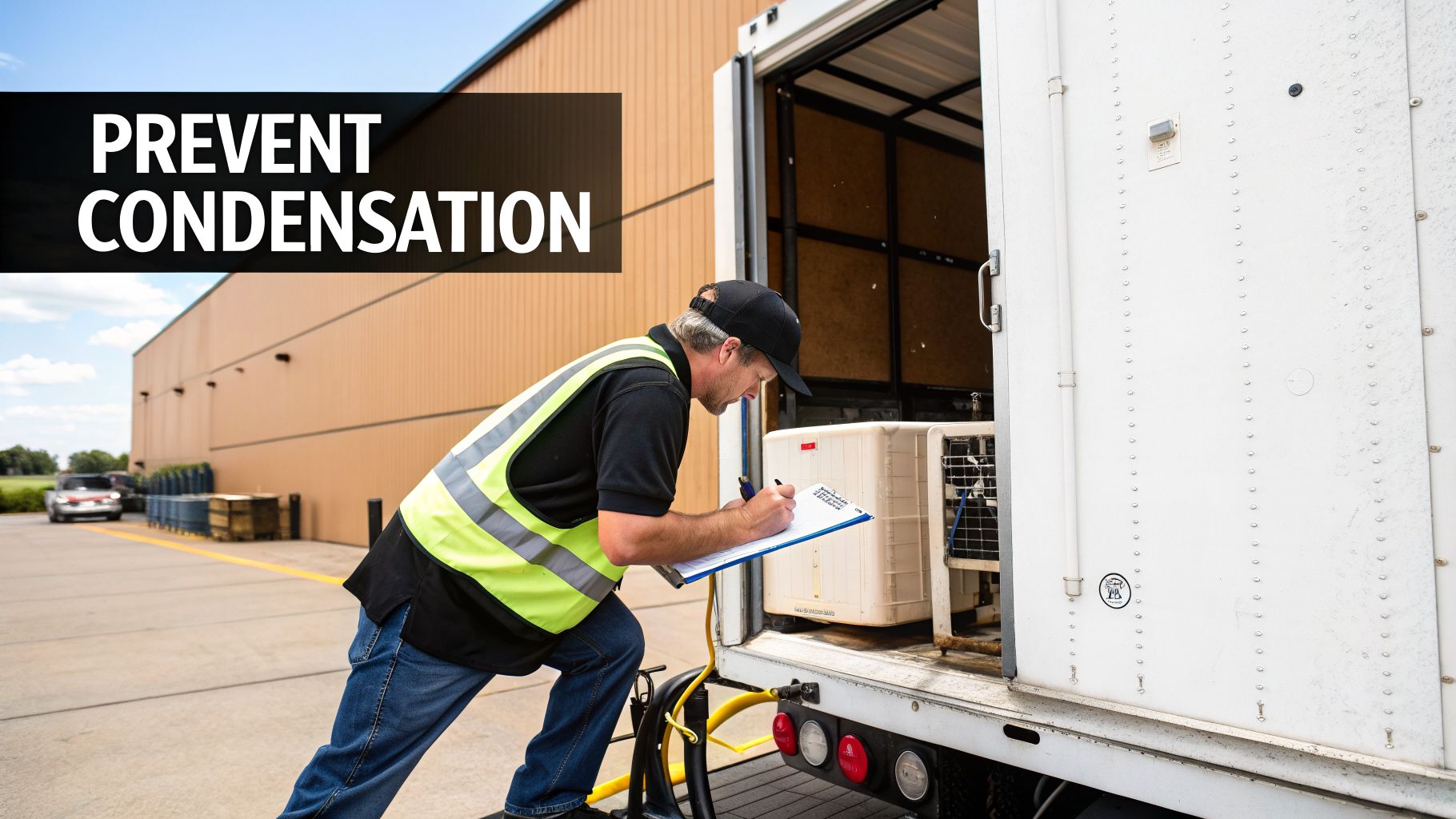
The most insidious threat is thermal shock. When sensitive electronics like servers and laptops are moved from a warm, climate-controlled office directly into a cold truck, condensation immediately forms. Inside a server, that moisture can cause short circuits, damage motherboards, and lead to permanent data corruption. This is a silent but deadly risk to asset value.
Planning for Unpredictable Conditions
Beyond condensation, unexpected winter weather can completely derail a tight decommissioning schedule. While significant snow is rare, even a light freeze can make roads hazardous and cause major transport delays. This doesn't just impact your timeline; it can leave valuable, sensitive assets staged and vulnerable, creating unacceptable security risks and disrupting your business operations.
Severe weather events that call for emergency tree removal services after a storm can also block roads and make site access impossible. Any professional ITAD partner must have robust contingency plans to navigate these issues without compromising the security of your equipment. To see how these challenges play out nearby, you can check out our guide on how similar issues affect logistics in Roswell, GA.
Spring and fall should not be underestimated. These transitional seasons can be just as problematic as winter. Wide temperature swings create the same condensation risk, and pop-up rainstorms can jeopardize any exposed equipment.
Key Protocols for Winter and Transitional Seasons
To protect your assets during these volatile months, your ITAD provider must have a clear, proven strategy for managing temperature and weather variables. Before you schedule a pickup, ensure they follow these non-negotiable protocols:
- Asset Acclimation: Equipment must be packed correctly and allowed to adjust to temperature changes gradually. This is the single most effective way to prevent the condensation caused by thermal shock.
- Proactive Weather Monitoring and Communication: A professional partner actively monitors forecasts. They should be in constant communication with your team, ready to adjust pickup times to mitigate weather-related risks.
- Secure, All-Weather Transport: The logistics team must use fully enclosed, secure vehicles and be trained to operate safely in adverse conditions. The chain of custody must remain unbroken, regardless of the weather.
By confirming your partner has these protocols locked down, you can ensure your IT decommissioning project remains secure and on schedule, even when Sandy Springs’ weather is at its most unpredictable.
Your Weather-Proof ITAD Project Checklist
Turning weather knowledge into action is what separates a smooth ITAD project from a costly, high-risk failure. For business and IT leaders in the Sandy Springs area, this framework helps integrate weather risk management into your IT asset disposition strategy from day one. This is not just about logistics; it's about fiduciary responsibility and risk mitigation.
Phase 1: Pre-Project Vetting and Planning
Before signing any service agreement, it is critical to diligence how a potential ITAD partner handles environmental risks. Their answers to these questions will reveal their level of professionalism and commitment to security.
- Transportation Fleet: Does your fleet include climate-controlled trucks? Can you provide documentation guaranteeing a stable temperature and humidity level for our sensitive electronics?
- Loading Protocols: What are your specific, documented procedures for moving assets from our facility to your truck during rain, extreme 90°F+ heat, or freezing conditions?
- Contingency Plans: How do you manage unexpected delays from thunderstorms or icy roads? What is your formal communication plan if a pickup must be rescheduled for security reasons?
- Employee Training: Can you verify that your technicians are trained on the risks of thermal shock and condensation when moving electronics between different temperature zones?
A vague answer to any of these questions is a significant red flag. A reputable partner will have clear, documented procedures ready to share and incorporate into a Service Level Agreement (SLA). For a deeper dive into vetting your partners, our guide to building a business continuity planning checklist is an excellent resource.
A partner’s weather protocol is a direct reflection of their overall commitment to asset security. If they cut corners on environmental protection, they are likely cutting corners elsewhere in the chain of custody.
Phase 2: On-Site Preparation and Execution
Once you’ve selected the right partner, the next critical step is preparing your own facility and team for the handoff. Proper on-site coordination ensures a seamless transfer of custody, minimizes risk, and keeps your project on schedule.
- Designate a Secure Indoor Staging Area: Never leave pallets of equipment on an open loading dock or in an unsecured space. Always use a secure, climate-controlled room that is close to the pickup point to maintain the chain of custody.
- Coordinate Smart Pickup Times: Work with your vendor to schedule pickups during the coolest parts of the day in summer (early morning is ideal) and to avoid forecasted rain or winter storms.
- Ensure Clear and Safe Access: Make sure the path from your staging area to the loading dock is completely clear. In winter, this includes treating walkways for ice to ensure safety and efficiency.
- Oversee the Handoff: Assign a member of your team to be present during the pickup. Their role is to verify that all contracted weather-protection protocols—like using waterproof wrapping and moving assets directly into a sealed truck—are followed precisely.
Taking these steps helps you mitigate the environmental risks inherent in doing business in the Sandy Springs area. This plan provides a practical roadmap to safeguard your assets, protect your data, and ensure your ITAD project succeeds, no matter the weather.
To simplify execution, use this checklist with your team before your ITAD partner arrives to confirm you are prepared for a secure handoff.
Pre-Pickup ITAD Weather Preparedness Checklist
| Checklist Item | Yes/No | Notes/Action Required |
|---|---|---|
| Indoor, climate-controlled staging area designated? | ||
| Path from staging area to loading dock is clear? | ||
| Walkways treated for ice/snow (if applicable)? | ||
| Pickup time avoids peak heat/forecasted storms? | ||
| Team member assigned to oversee the pickup? | ||
| Partner's weather protocols (e.g., shrink-wrap) confirmed? |
Once you can check "Yes" on every item, you have performed your due diligence to protect your assets from the moment they leave your control. This is key to a secure chain of custody.
Common Questions About IT Logistics and Sandy Springs Weather
When planning a major IT project, weather might seem like a minor detail. But for businesses in Sandy Springs, overlooking the forecast can introduce significant risk to your project, assets, and sensitive data. We receive many questions from IT and operations managers about how Georgia’s climate impacts asset disposition. Here are the answers your business needs.
What Is the Biggest Weather Risk for IT Assets in Summer?
The primary risk is not just heat; it's the combination of Sandy Springs' intense heat and high humidity. While high temperatures can degrade electronics, the critical danger is condensation.
When your hardware moves from a cool, air-conditioned server room into a hot, humid environment like a truck or loading dock, condensation can form inside the devices. This moisture is a recipe for disaster, causing short circuits, corrosion, and irreversible data loss. This is precisely why climate-controlled transport is not a luxury—it's a non-negotiable requirement for any secure corporate ITAD plan in the summer.
The key metric is the dew point. When humid air cools on the surface of your servers, it releases moisture. A professional ITAD partner understands this science and has protocols to prevent it.
Can We Schedule an ITAD Pickup During a Rainy Week?
Yes, but only with a vendor that has a robust, documented process for managing moisture. Simply hoping for a break in the weather is not an acceptable business practice. Your ITAD provider must have a proven, repeatable process for keeping assets completely dry.
This means arriving with sealed, watertight trucks and, more importantly, having a team trained to execute a direct, secure transfer from your building into the vehicle with zero exposure to rain. Staging pallets of servers on an open loading dock, even briefly, is an unacceptable risk that no professional service provider would take.
How Do I Verify a Vendor's Weather Protection Protocols?
Ask specific, direct questions and demand documented proof. A vague assurance like "we'll handle it" is a major red flag. A partner who takes security and risk management seriously will provide concrete details.
Here’s what to ask to differentiate professional vendors from amateurs:
- Vehicles: Are your trucks climate-controlled? Can you guarantee and provide logs for a specific temperature range during transit?
- Procedures: What is your exact, documented process for loading our equipment if it’s raining or on a 95-degree day?
- Training: How do you train and certify your team to handle sensitive electronics in adverse weather?
- Contingencies: What is your formal contingency plan if a severe storm delays the project? How is this communicated to us?
A reputable provider will welcome these questions as a sign of a diligent client and will have clear, documented answers ready.
Are Winter Freezes a Serious Concern for Electronics in Sandy Springs?
While our winters are generally mild, sudden cold snaps pose a real risk. The primary danger is thermal shock, which causes the same condensation problem as in summer, but in reverse. This occurs when equipment is moved from a warm building into a freezing-cold truck.
This rapid temperature drop can cause moisture to form inside the hardware as it cools, leading to short circuits. The cold can also make plastic components brittle and more susceptible to cracking during transport, reducing asset value. A professional partner mitigates this with proper packing protocols designed to manage winter temperature swings.
Managing ITAD logistics against unpredictable weather demands more than a truck—it demands specialized expertise. At Atlanta Computer Recycling, our commercial service processes are engineered to account for every environmental risk, ensuring your assets and data are secure from your door to ours. To learn more about our secure, weather-proof ITAD services for businesses, visit us at atlantacomputerrecycling.com.