Atlanta E-Waste Laws: What Businesses Need to Know

Atlanta E-Waste Laws: Essential Georgia Electronics Recycling Regulations for Businesses
In Atlanta, businesses must navigate a complex landscape of electronic waste (e-waste) regulations to ensure compliance and promote environmental sustainability. This article provides a comprehensive overview of the key e-waste disposal requirements, the types of electronics covered under Georgia law, and the penalties for non-compliance. Understanding these regulations is crucial for businesses to avoid legal repercussions and contribute positively to the environment. We will also explore how businesses can schedule secure e-waste pickup services, the compliance requirements for electronic waste management, and the environmental benefits of proper e-waste disposal. By the end of this article, you will have a clear understanding of Atlanta’s e-waste laws and how to adhere to them effectively.
What Are the Key Atlanta E-Waste Disposal Requirements for Businesses?
Atlanta’s e-waste disposal requirements are designed to protect the environment and public health by ensuring that electronic waste is managed responsibly. Businesses must adhere to specific regulations that dictate how e-waste should be collected, stored, and disposed of. Compliance with these laws not only helps avoid penalties but also supports sustainable practices within the community.
These regulations are part of a broader legislative framework, continuously updated to align with international standards and ensure comprehensive waste management.
Georgia Waste Management Code & E-Waste Recycling Regulations
The adoption of the Waste Management Code in 2015 is Georgia’s continuous effort to fully harmonize the EU-Georgia Association Agreement in the above-mentioned sphere. In 2016, technical regulation on hazardous waste management was adopted based on the Code, which considers the origin, storage, and disposal of this type of waste, among them transportation problems and recycling.
Circular economy of Georgia, N Buachidze, 2021
Which Electronics Are Covered Under Georgia E-Waste Laws?

Georgia’s e-waste laws cover a limited range of electronic devices, primarily focusing on certain types of video display devices. Specifically, the Georgia Computer Equipment Recovery and Recycling Act covers:
- Computers: Desktops and laptops (excluding tablets).
- Monitors: CRT and flat-panel video display devices with a screen size of 7 inches or larger.
- Televisions: CRT and flat-panel televisions with a screen size of 7 inches or larger.
Other devices such as printers, scanners, and mobile phones are not currently covered under Georgia’s e-waste recycling law.
Understanding which electronics fall under these regulations is essential for businesses to ensure compliance and avoid potential fines.
What Penalties Apply for Non-Compliance with Georgia E-Waste Regulations?
Non-compliance with Georgia’s e-waste regulations can result in penalties for businesses. These may include:
- Fines: Businesses can face fines up to $5,000 per violation, depending on the severity and nature of the violation.
- Legal Action: Continued non-compliance may lead to enforcement actions by state authorities.
- Reputational Damage: Non-compliance can harm a business’s reputation, affecting customer trust and loyalty.
It is crucial for businesses to stay informed about these regulations to avoid these consequences.
How Can Businesses Schedule Secure E-Waste Pickup Services in Atlanta?
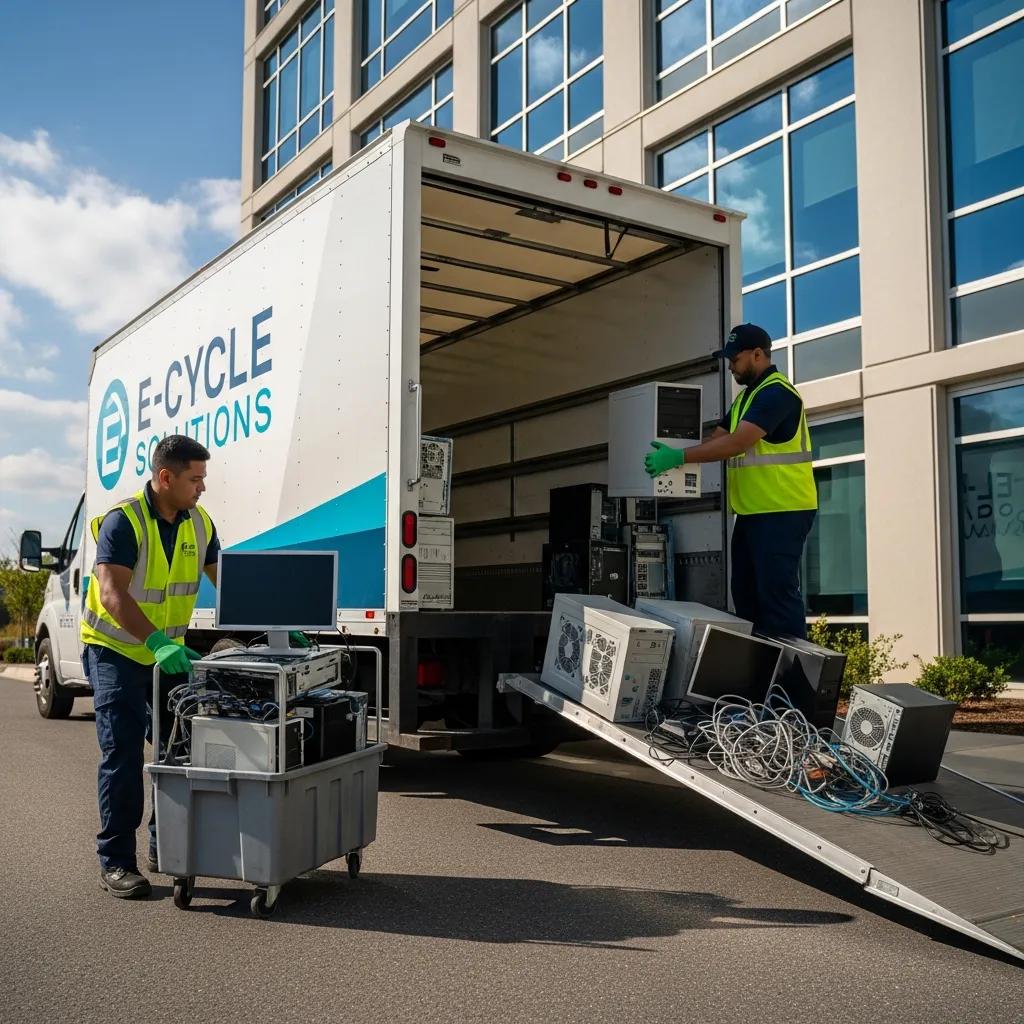
Scheduling secure e-waste pickup services is a vital step for businesses looking to dispose of their electronic waste responsibly. This process ensures that e-waste is handled securely and in compliance with local regulations.
What Are the Steps to Arrange a Business E-Waste Pickup in Atlanta?
To arrange a business e-waste pickup in Atlanta, follow these steps:
- Contact a Certified E-Waste Recycler: Reach out to a certified e-waste recycling company, such as Atlanta Computer Recycling, which specializes in secure and responsible electronic waste recycling services.
- Schedule a Pickup: Discuss your needs and schedule a convenient pickup time.
- Prepare Your E-Waste: Ensure that all electronic devices are ready for collection, following any specific instructions provided by the recycler.
By following these steps, businesses can ensure a smooth and compliant e-waste disposal process.
How Does Secure Data Destruction Protect Business Privacy During Recycling?
Secure data destruction is a critical component of e-waste recycling that protects sensitive business information. This process involves:
- Data Wiping: Using software to erase data from devices before disposal.
- Physical Destruction: Physically destroying hard drives and other storage devices to prevent data recovery.
Implementing secure data destruction methods not only safeguards business privacy but also complies with legal requirements regarding data protection.
What Are the Compliance Requirements for Business Electronic Waste Management in Georgia?
Businesses in Georgia must adhere to specific compliance requirements for managing electronic waste. These regulations are designed to ensure that e-waste is handled safely and responsibly.
How to Use a Georgia Electronic Recycling Compliance Checklist?
A Georgia electronic recycling compliance checklist can help businesses stay organized and ensure they meet all necessary requirements. Key items to include in the checklist are:
- Identification of Covered Electronics: Ensure all covered devices are accounted for.
- Documentation of Disposal Methods: Keep records of how e-waste is disposed of or recycled.
- Verification of Recycler Certification: Confirm that the recycling company is certified and compliant with state regulations.
Using a checklist can streamline the compliance process and reduce the risk of violations.
Which Georgia State Agencies Oversee E-Waste Compliance?
Several state agencies oversee e-waste compliance in Georgia, including:
- Georgia Department of Natural Resources: Responsible for enforcing environmental regulations.
- Georgia Environmental Protection Division: Oversees waste management and recycling programs.
These agencies play a crucial role in ensuring that businesses comply with e-waste regulations and promote sustainable practices.
What Are the Environmental Benefits of Proper E-Waste Disposal in Atlanta?
Proper e-waste disposal has significant environmental benefits, contributing to a healthier ecosystem and sustainable community practices.
How Does Responsible Recycling Support Atlanta’s Environmental Goals?
Responsible recycling of e-waste supports Atlanta’s environmental goals by:
- Reducing Landfill Waste: Proper disposal prevents harmful electronics from ending up in landfills.
- Conserving Resources: Recycling recovers valuable materials, reducing the need for new resource extraction.
- Minimizing Pollution: Responsible recycling reduces the release of toxic substances into the environment.
These practices align with Atlanta’s commitment to sustainability and environmental stewardship.
What Are the Latest 2024-2026 E-Waste Statistics for Georgia Businesses?
Recent statistics indicate that e-waste is a growing concern for Georgia businesses. Key findings include:
- Increased E-Waste Generation: Businesses are generating more e-waste than before, with projections showing a continued increase through 2026.
- Recycling Rates: Georgia currently lacks comprehensive statewide data on e-waste recycling rates, but national averages suggest that only about 15-20% of e-waste is recycled properly.
These statistics underscore the importance of adhering to e-waste regulations and promoting responsible recycling practices among businesses.