Free Electronics Recycling Event Near Me: 7 Atlanta Events


Your office manager has a stack of retired laptops by the door, two dead monitors in the hallway, and a shelf of old network gear nobody wants to touch because some of it may still hold data. The first search is usually “free electronics recycling event near me.” In Atlanta, that search turns up city collection days, Earth Day drives, and county cleanup events that can be useful if your load is small and your team can handle the drop-off.
For residents, schools, churches, and very small offices, these public events serve a real purpose. They give people a local outlet for common electronics and help keep reusable materials in the recycling stream. If you want a broader starting point beyond the event list in this article, see our guide on where to recycle electronics in Atlanta.
Businesses need to look at the fit, not just the price.
A one-day public event usually works best for a few desktops, cables, keyboards, and similar items loaded into a car or small SUV. It usually does not cover pickup, de-installation, serialized asset reporting, formal chain of custody, or documented data destruction. Those gaps matter if the equipment came from a law office, clinic, finance department, school system, or any company with internal security rules.
That is why this guide does two jobs. It helps Atlanta residents find legitimate free electronics recycling events, and it helps business owners decide when an event is the wrong tool for the job. If you are clearing out a handful of household items, one of these community options may be a good fit. If you are dealing with ongoing IT turnover, office closures, storage-room cleanouts, or devices that require secure handling, a dedicated recycler is usually the safer and more practical choice.
If you’re promoting one internally or in your neighborhood, this guide on how to write a press release for an event is also useful.
1. Georgia Natural Gas + Lenox Square Free Earth Week Electronics Recycling
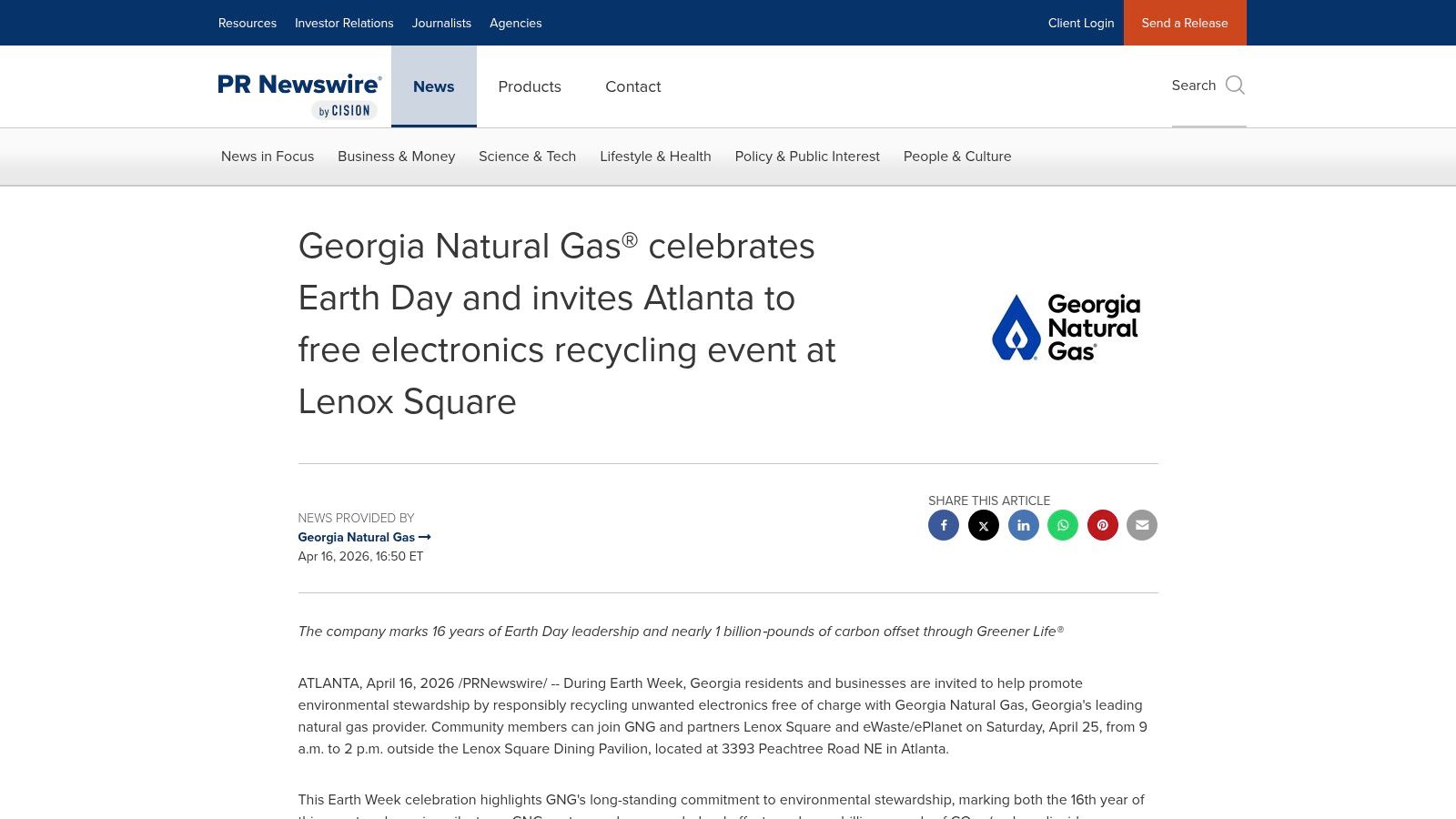
If you want a recognizable, central Atlanta option, this is one of the strongest public-facing choices. Georgia Natural Gas has built a visible Earth Week recycling program around Lenox Square, and that matters because repeat annual events are usually smoother than pop-up drives that appear once and vanish.
The Buckhead location is the practical advantage. For residents and small offices that can self-transport a manageable load, getting in and out is easier than hauling gear across the metro to a less familiar site. The event details are posted through Georgia Natural Gas Earth Week recycling at Lenox Square.
Best use case
This event works best when the pile is modest and the business can control its own loading. Think a few desktops, laptops, keyboards, docking stations, and peripherals after a small refresh or office cleanup.
It’s less ideal when your team has rack gear, multiple pallets, mixed media requiring documentation, or anything tied to regulated data. Public events can move material. They usually don’t give IT managers the operational controls they expect from an ITAD workflow.
Practical rule: Use community events for convenience, not for anything that needs formal disposition records.
A few trade-offs stand out:
- Strong location: Buckhead is easy for many Atlanta teams to reach, which lowers the friction of getting the equipment out of storage.
- Good staffing fit: Long-running community events tend to have better unload flow than first-time drives.
- Self-haul required: Your staff still has to pack, transport, and unload everything safely.
- Day-of uncertainty: Specialty items may be treated differently on arrival, especially if the event has item-specific restrictions.
What works and what doesn’t
What works is simplicity. If your office manager has a couple of bins of old tech and one vehicle, this is the kind of event that can clear the backlog.
What doesn’t work is assuming “free” means “business-ready.” It usually doesn’t. If you’re comparing event drop-off options in the city, start with Atlanta electronics recycling locations and options and separate casual household-style disposal from secure commercial disposition.
For Atlanta businesses, that distinction saves time. It also avoids the common mistake of sending employees to a public event with equipment that really should stay inside a documented chain of custody.
2. Gwinnett Clean & Beautiful + Gwinnett County Solid Waste Earth Day Recycling Event
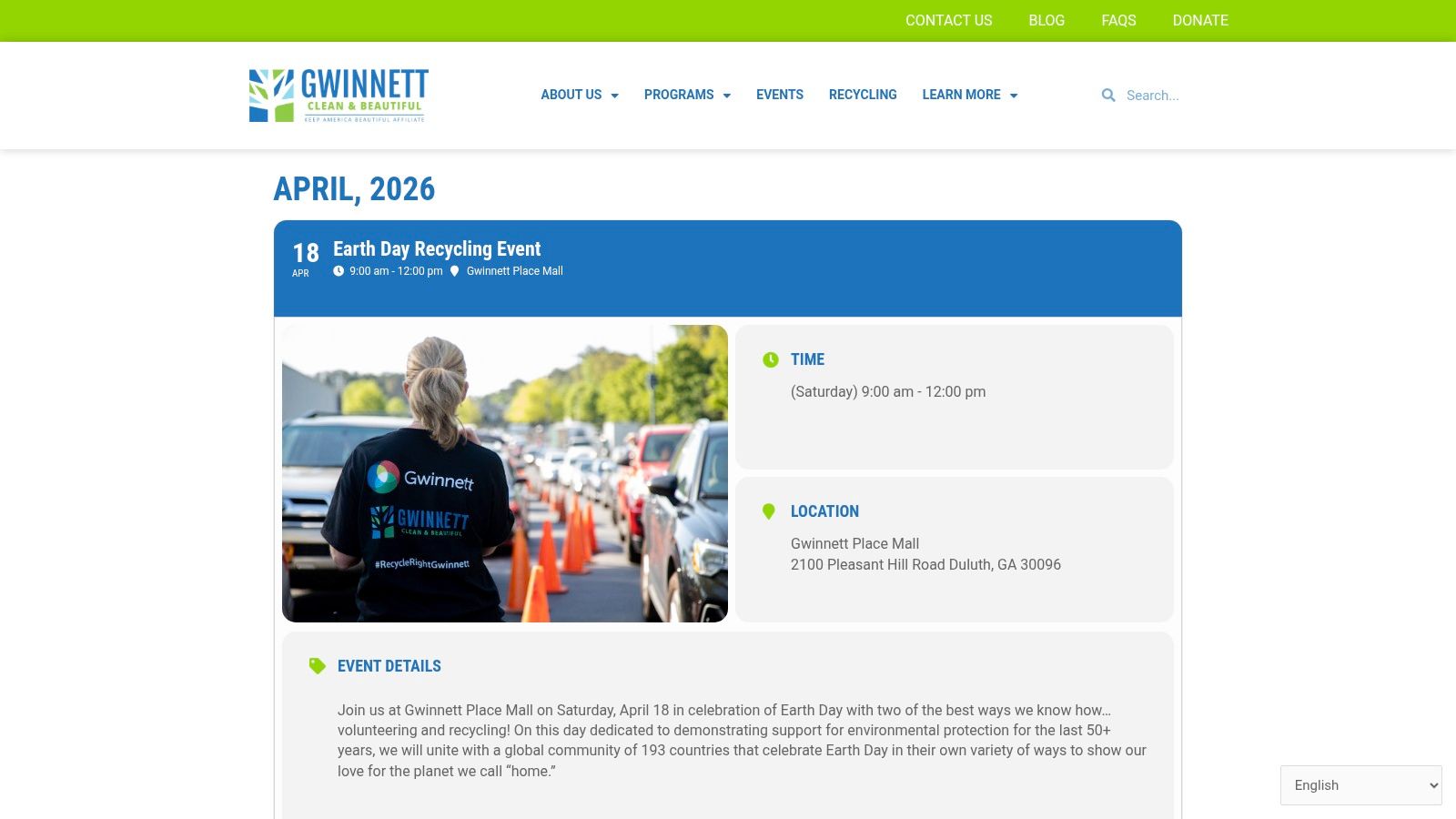
This is one of the better suburban events for people who need more than electronics recycling. Gwinnett Clean & Beautiful and Gwinnett County Solid Waste usually package electronics collection with other hard-to-recycle streams, so it can be efficient if your cleanup includes paint, tires, textiles, and paper files along with old tech.
That broader intake is the appeal. A lot of office spring cleanouts aren’t just e-waste problems. They’re mixed-material problems, and this event is set up to handle that better than electronics-only drives. Event specifics are published on Gwinnett Clean & Beautiful Earth Day Recycling Event.
Where it earns its spot
The biggest operational advantage is transparency. Gwinnett typically gives people a clearer sense of fee exceptions and traffic flow than many municipal event pages do.
That matters because “free electronics recycling event near me” searches often lead to pages that bury the exceptions. This one is more upfront about the fact that not every device category is free.
- Best for mixed loads: Good when you’re combining electronics with other cleanup materials.
- Useful add-on service: On-site shredding is a practical bonus for paper-heavy households and small offices.
- Less ideal for IT departments: If the electronics are only one part of a larger regulated disposal project, this still won’t replace a managed service.
- Watch the fee categories: Displays and some devices can change the economics of a “free” trip.
Public events are often excellent for decluttering. They’re rarely excellent for asset control.
Business perspective
For a small local office in Gwinnett, this can be a sensible one-trip solution. For a healthcare practice, school district, or multi-site business, it’s more of a stopgap. You still have to account for internal handling, transport responsibility, and what happens before the material reaches the recycler.
If you’re operating in the county and need a clearer line between residential event disposal and commercial-grade support, review Gwinnett County electronics recycling guidance for businesses. That’s where the difference becomes obvious.
One more point matters here. Consumer-facing event pages often say little about data destruction standards. The compliance gap is real enough that it should shape your decision before you ever load a hard drive into a car.
3. City of Tucker + FODAC Electronics and Home Medical Equipment Recycling Day
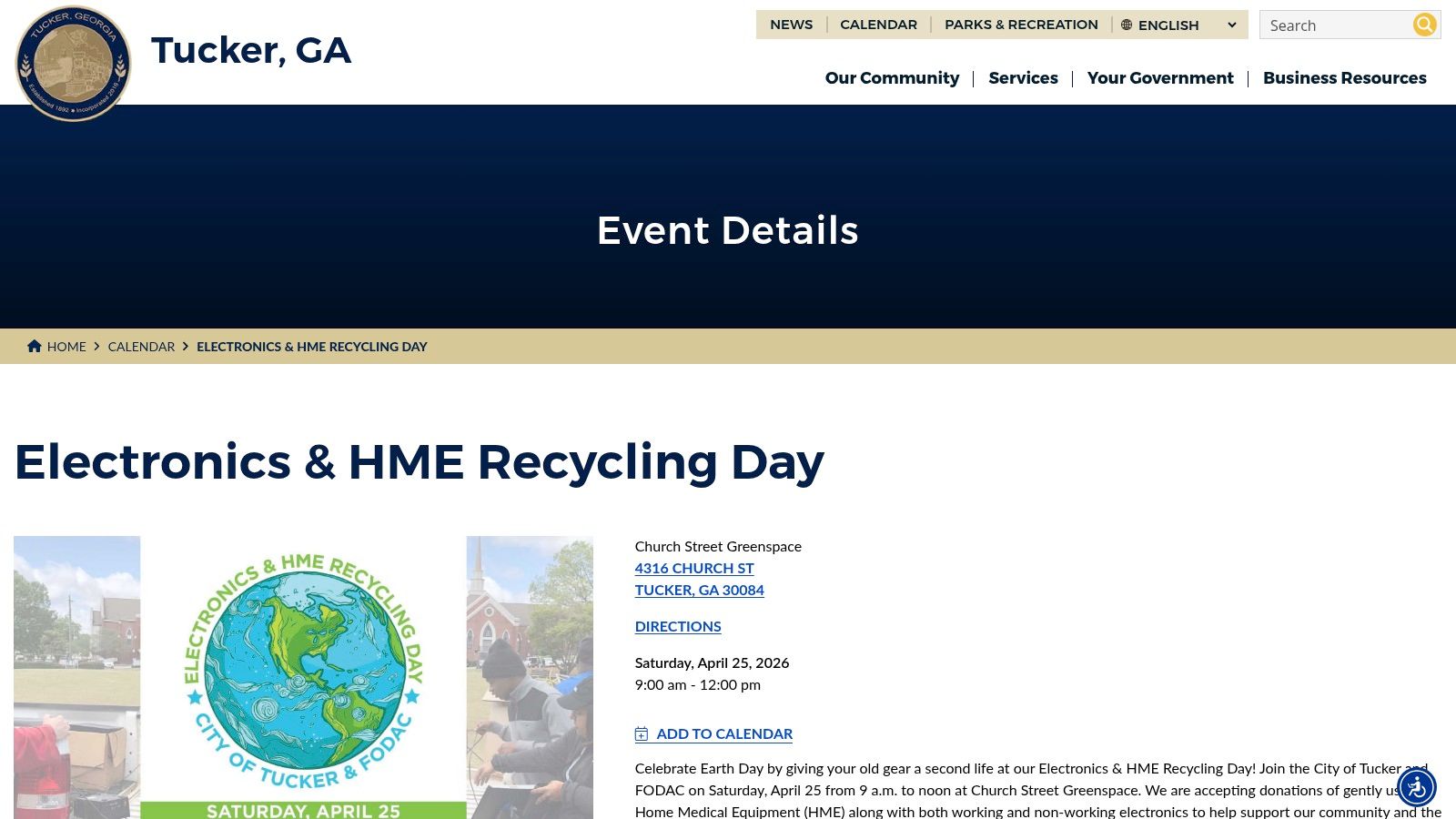
Tucker’s event stands out because it connects electronics collection with a home medical equipment donation stream through FODAC. That makes it more community-oriented than the typical “pull up, unload, leave” recycling day.
For residents, caregivers, and small organizations with both tech and medical support items to move, that combination is useful. The event posting is available at City of Tucker electronics and HME recycling day.
Why this event is different
Most electronics drives focus only on material diversion. Tucker also creates a donation path that can serve people who need mobility or home medical equipment support.
That makes it a strong fit for neighborhood drop-offs, faith groups, small nonprofits, and families handling estate cleanouts. The event feels more local and mission-driven than a mall-scale collection line.
The limitation is also clear. Neighborhood-style events tend to publish less operational detail than enterprise buyers would want.
- Good community value: Recycling plus HME donation makes the trip more meaningful than a standard e-waste run.
- Reasonable for small organizations: If the load is light and local, volunteer-supported unloading can help.
- Unclear edge cases: Specialty devices, unusual electronics, or fee-trigger items may need confirmation before arrival.
- Not built for bulk IT: Servers, storage, and high-volume business loads are better handled elsewhere.
Security and compliance angle
Atlanta businesses need to slow down. The underserved issue with many consumer events is not whether they recycle. It’s whether they say anything concrete about data handling.
The concern isn’t theoretical. Public event pages often give plenty of disposal guidance and very little information about wiping standards, destruction methods, or compliance frameworks. That gap is especially important for small businesses and healthcare workers who may assume any electronics collection event is safe for data-bearing devices.
If the event page doesn’t explain its data process, assume you need to verify it yourself before handing over business equipment.
For Tucker residents, this event is useful public infrastructure. For Atlanta organizations with devices that ever held patient, student, employee, or customer information, it should be treated as a convenience option only after security questions are answered.
4. Peachtree Corners Earth Day on the Green Electronics Recycling and Shredding
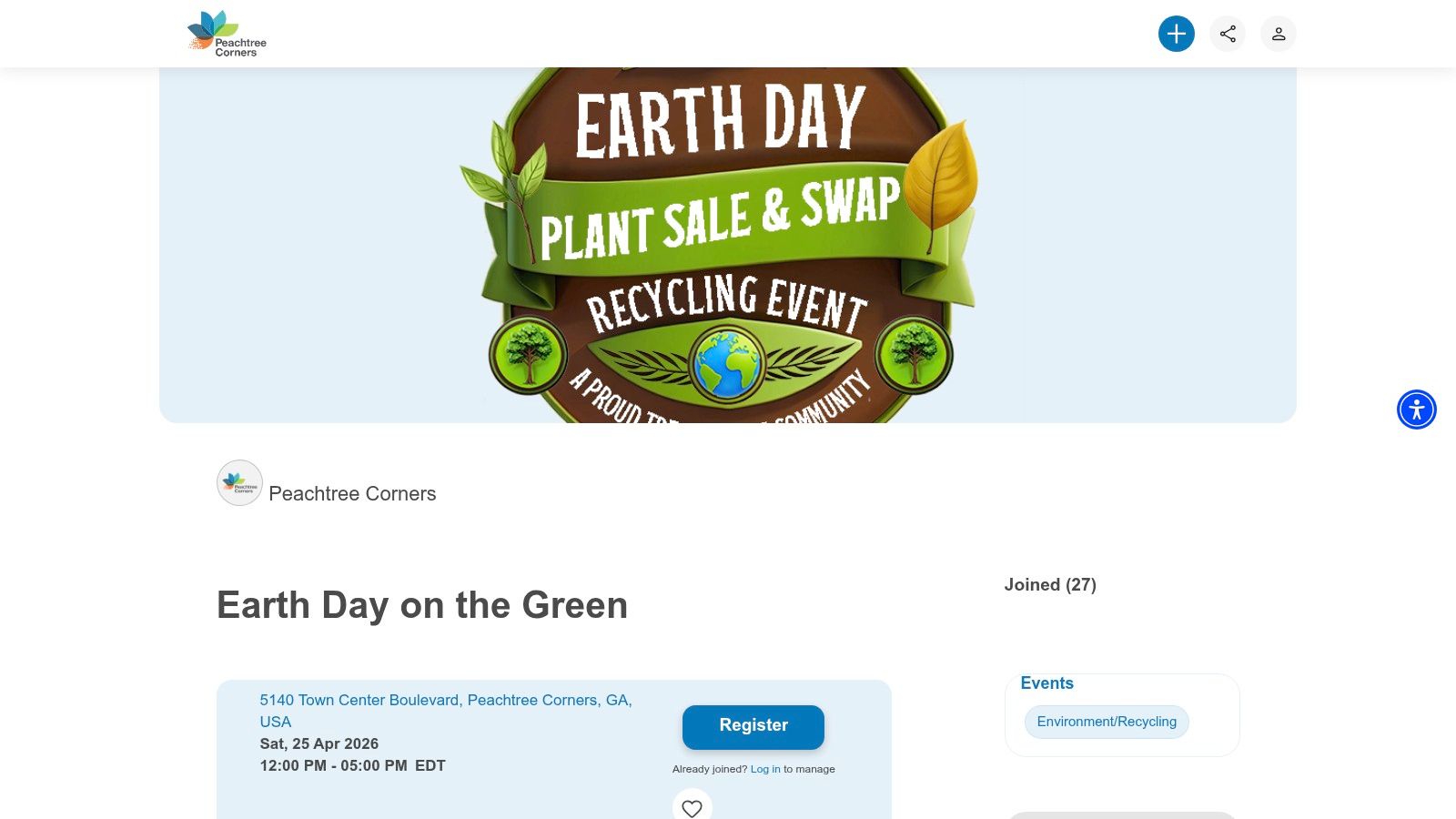
A team member loads a few old laptops, a box of cables, and two bankers boxes of paper into the trunk before work. That is the kind of cleanup this Peachtree Corners event handles well. It combines electronics recycling and shredding inside a public Earth Day program, which makes it more approachable than a typical industrial drop-off. Event details are posted through Peachtree Corners Earth Day on the Green.
The setting is part of the appeal. Town Green is easy to access, parking is simple, and residents can clear out a small backlog without committing half a day to the trip. For households and very small offices, that convenience matters.
The limit is scale.
This event is first come, first served, with acceptance tied to available space. That changes the planning calculus for businesses. A few personal devices and paper files are realistic. A storage room cleanout, multi-user office refresh, or stack of retired desktops is a different job entirely.
Here is the practical fit:
- Best for light loads: Small residential drop-offs and modest home-office cleanouts make sense here.
- Useful if paper is part of the project: Shredding and electronics collection in one visit saves an extra stop.
- Less predictable for business equipment: Capacity limits and event-day traffic can turn a simple disposal trip into a delay.
- Worth confirming ahead of time: If you have monitors, printers, network gear, or anything unusual, check the event guidance before loading the vehicle.
For Atlanta companies, the important question is not whether the event is helpful. It is whether it fits your risk and volume. If an employee is transporting company electronics in a personal car to a public festival, the organization should stop and review chain of custody, device tracking, and internal approval. For one or two low-risk items, a community event may be fine. For recurring pickups or larger IT disposals, a scheduled business e-waste recycling service in Atlanta is usually the cleaner option.
Community events like this provide real public value. They also have clear limits. Peachtree Corners works well as a local cleanup option. It does not replace a documented disposal process for businesses that handle employee records, customer data, or larger volumes of retired equipment.
5. City of Dunwoody Community Electronics Recycling Event
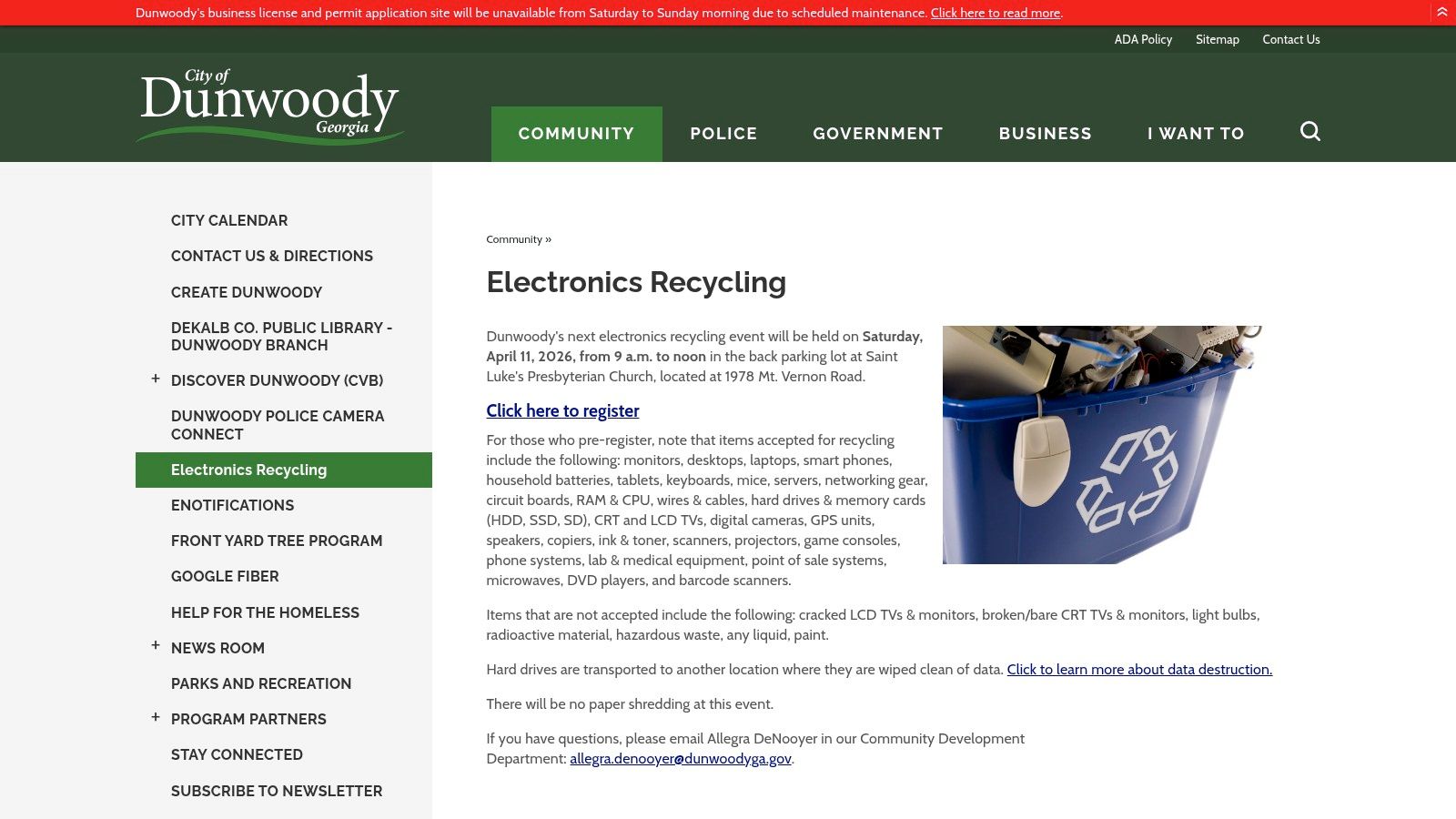
A Dunwoody resident cleaning out a garage can usually use this event with confidence. An Atlanta business retiring office equipment should slow down and read the fine print first.
Dunwoody stands out because the city publishes usable details instead of leaving people to guess at the curb. The accepted and prohibited item guidance is clearer than what many event hosts provide, which reduces bad trips and last-minute unloading problems. The city’s current rules and event information are posted on City of Dunwoody electronics recycling information.
The data security language also deserves attention. Dunwoody notes that hard drives are wiped after transport. For residents, that may be enough reassurance to move ahead. For a company with client files, employee records, or regulated data, that statement does not replace documented custody, asset tracking, or destruction records.
That is the dividing line with public events.
Dunwoody works best for households and very small offices disposing of a limited number of common devices. It becomes a weaker fit once the load includes multiple users’ equipment, storage media, or anything that should stay inside a controlled chain of custody from pickup through final processing.
A practical way to assess it:
- Strong municipal guidance: The city gives clearer item rules than many local events.
- Reasonable option for residential drop-off: Good for standard consumer electronics and small cleanouts.
- Limited fit for business risk: Public drop-off is still public drop-off, even when the city communicates well.
- Less room for error on commercial loads: If equipment needs serial tracking, scheduled pickup, or documented reporting, use a business process instead.
For companies in north metro Atlanta, especially those near Dunwoody and Norcross, it makes more sense to match the disposal method to the risk level and volume. A few low-risk household items can go to a city event. A recurring stream of laptops, desktops, drives, phones, or network gear usually belongs with a Norcross-area business electronics recycling provider or another scheduled commercial service built for that chain of custody.
Community events like Dunwoody serve the public well. They are not built to function as an IT asset disposition program for businesses.
6. City of Norcross Spring Recycling and Clean-Up Day
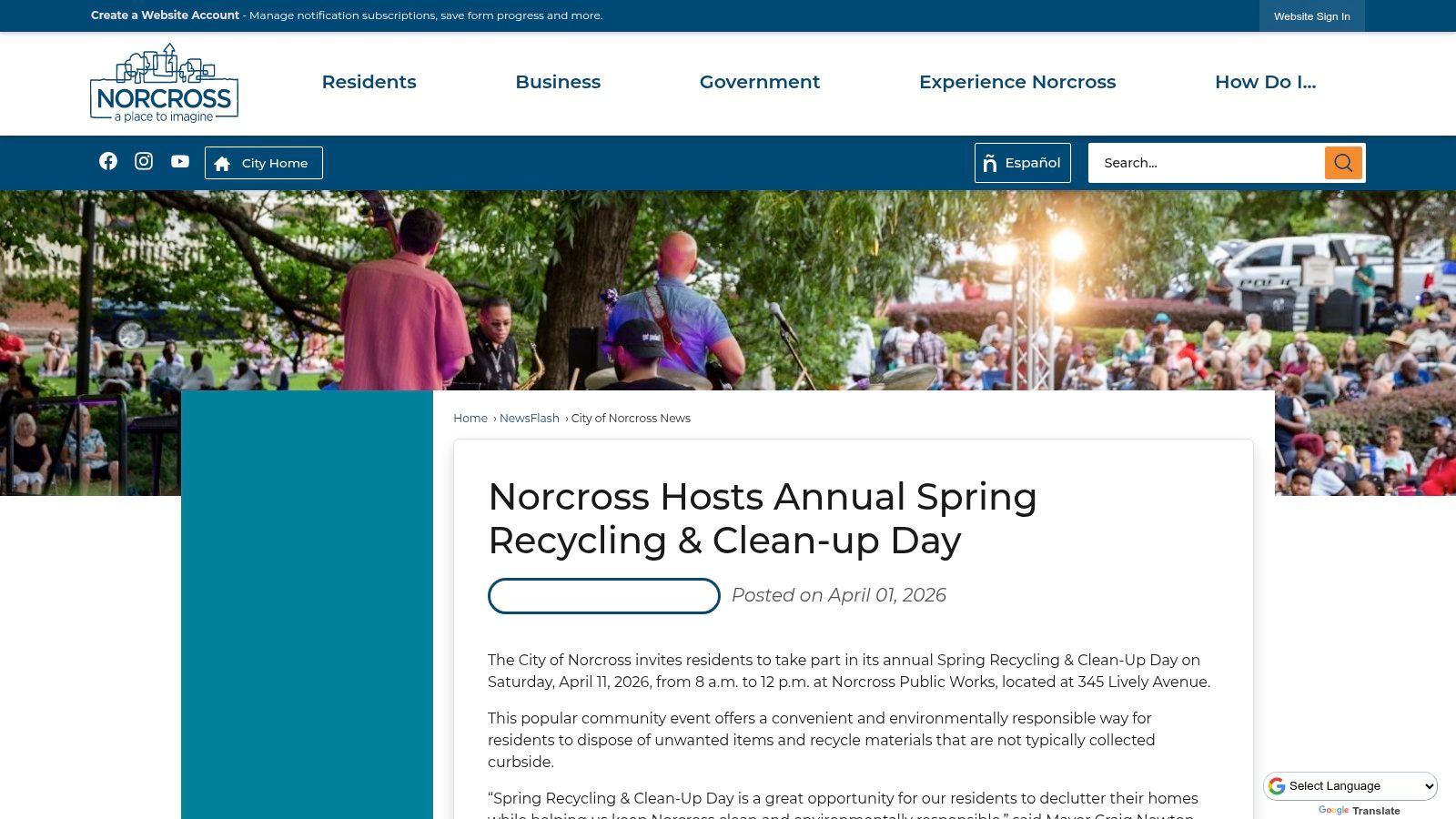
Norcross keeps things straightforward. Public Works hosts a resident-focused cleanup day that combines electronics recycling with paper shredding and metal collection, which makes it practical for people trying to clear several waste streams in one morning.
This is the kind of event that succeeds because expectations are simple. It’s municipal, local, and built around clear location and hours. The city’s notice is posted on City of Norcross Spring Recycling and Clean-Up Day.
Best for residents, limited for organizations
For Norcross households, it’s an easy recommendation. For small offices physically located in the city, it may also help if the material volume is light and residency rules don’t create an access issue.
That residency point matters. City-run cleanups often prioritize local residents, and some require proof of residency or otherwise limit participation. Businesses outside the city shouldn’t assume access.
A few practical considerations:
- Simple municipal setup: Easy to understand and usually easy to get through.
- Helpful paper option: Shredding can be valuable if you’re doing a household records purge at the same time.
- Residency can narrow access: This isn’t the best plan for a regional business fleet.
- Capacity risk is real: Earlier arrival usually improves your odds at city cleanup events.
What Atlanta businesses should take from it
The most useful signal here is that Norcross references commercial recycling guidance rather than pretending every disposal need fits one public event. That’s the honest approach.
For companies with repeat disposal needs, city cleanup days are often too narrow. They happen on city schedules, not yours. They’re designed for cars and pickup trucks, not coordinated office de-installs or multi-floor refreshes. If your operation touches Norcross and you need the business path, use Norcross commercial electronics recycling guidance.
One broader trend supports that distinction. Zero Waste Silicon Valley reports strong participant satisfaction tied to no-appointment drop-offs and broad item acceptance, but those same public-facing models still separate routine community convenience from larger, business-oriented handling through Zero Waste Silicon Valley event information. Convenience matters. Scope still matters more.
7. Keep Cobb Beautiful Spring 2026 Community Recycling Event Marietta
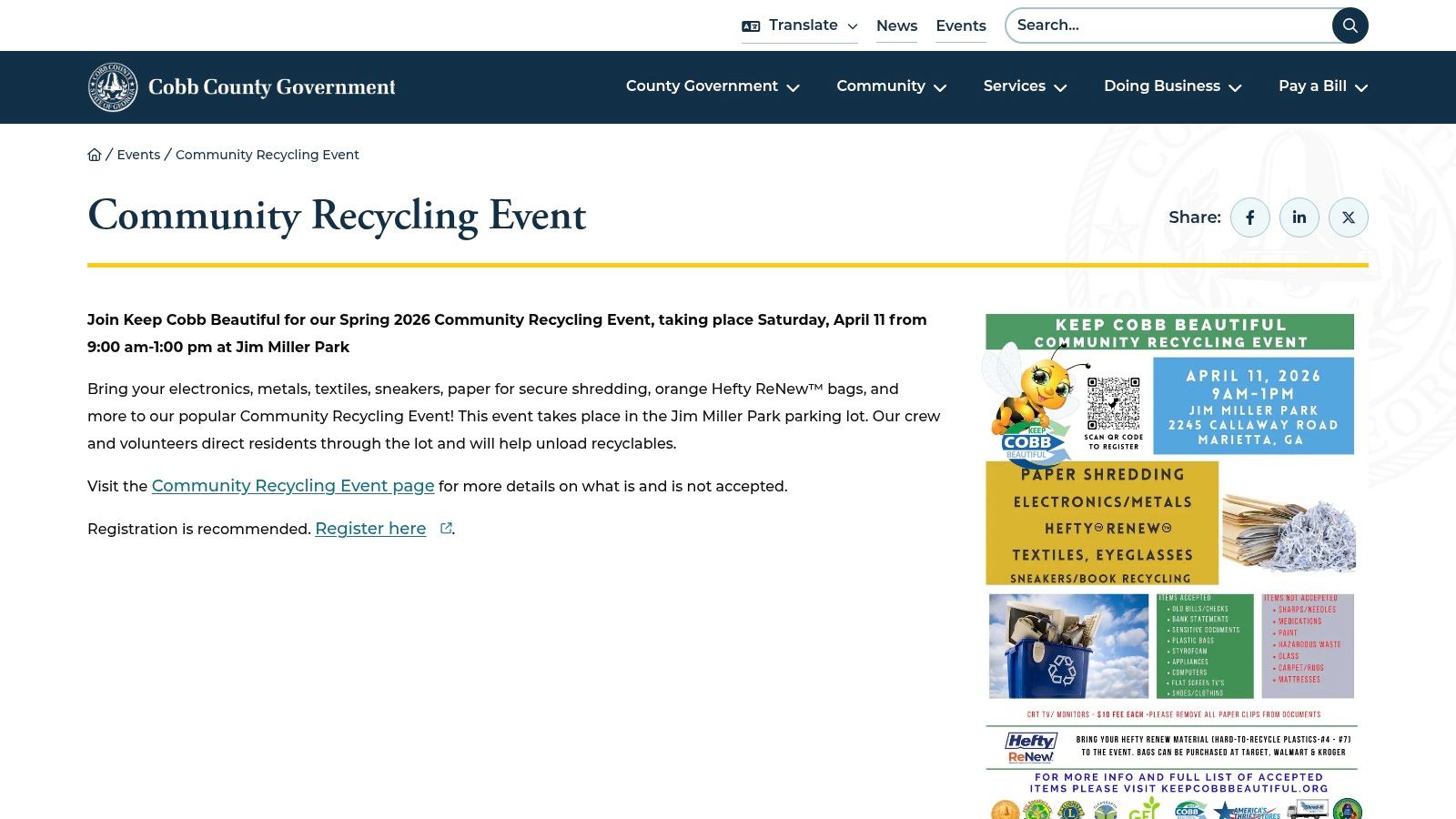
Your SUV is full of old cables, a dead printer, a few banker boxes for shredding, and bags of textiles that have been sitting in the garage since winter. That is the kind of load this Cobb event handles well. Keep Cobb Beautiful’s spring community recycling day at Jim R. Miller Park usually accepts several material streams in one stop, which makes it one of the more practical options in metro Atlanta for a true household cleanout. Event information is available at Cobb County community recycling event details.
The value here is consolidation. Instead of making separate trips for electronics, paper, metal, and specialty items, residents can sort once, load once, and clear a lot of backlog in a single morning.
That convenience has limits.
For households and very small offices, a large park venue is a real advantage because traffic flow and unloading space are usually better than at tighter city lots. Registration also helps set expectations. If a host is asking people to register, they are usually trying to control wait times and avoid the long backup that can turn a free event into a half-day project.
A few practical takeaways:
- Good fit for mixed loads: Best when electronics are only one part of the cleanup.
- Site logistics are usually easier: Large event grounds tend to work better for packed cars and SUVs.
- Rules can vary by material: Review accepted item categories before loading. Mixed events often have exclusions or quantity limits.
- Not built for business IT turnover: Companies with racks, pallets, repeated refresh cycles, or equipment spread across departments usually need scheduled pickup, inventory tracking, and documented downstream handling.
That last point matters for Atlanta businesses. A free community event is useful if you have a few stray devices and can self-transport them. It is a weak fit for anything that touches compliance, chain of custody, or data-bearing assets at scale. I would not treat a one-day public drop-off as the disposal plan for an office relocation, a server room cleanout, or a quarterly hardware refresh.
Community events like this solve convenience well. Businesses usually need documentation, scheduling control, and data security procedures that a public event is not set up to provide.
For Marietta residents, this is a strong public resource. For companies, it is better viewed as a reminder of the gap between community recycling and professional IT asset disposition. As noted earlier, e-waste volumes continue to rise. That increases pressure on local events, and it makes dedicated service the safer choice for organizations with ongoing disposal needs.
Comparison of 7 Free Electronics Recycling Events Near Me
| Event | 🔄 Implementation Complexity | ⚡ Resource Requirements / Speed | ⭐ Expected Outcomes / 📊 Impact | Ideal Use Cases | 💡 Key Advantages / Notes |
|---|---|---|---|---|---|
| Georgia Natural Gas + Lenox Square: Free Earth Week Electronics Recycling | Medium, single-day, high-capacity staging | ⚡ Medium, organized but peak-line delays possible | ⭐⭐⭐⭐ Reliable annual e‑waste collection; high visibility | Residents & businesses with small self-transport loads | Free drop-off; item limits and specialty fees may apply, arrive early |
| Gwinnett Clean & Beautiful + Gwinnett County Solid Waste: Earth Day Recycling Event | Medium, county-backed drive-through with multiple streams | ⚡ High for drive‑through flow; short 3‑hour window | ⭐⭐⭐⭐ Broad material acceptance (electronics, paint, tires); clear fees published 📊 | Suburban households and small businesses with mixed hard‑to‑recycle items | Transparent fees for TVs/monitors/printers; some cash‑only payments, bring cash |
| City of Tucker + FODAC: Electronics & Home Medical Equipment Recycling Day | Low, neighborhood-scale drive/drop with volunteers | ⚡ Medium, volunteer unload assistance speeds drop-off | ⭐⭐⭐ Combines electronics recycling with HME donations; community health impact | Residents and small organizations; HME donors | Accepts working/non‑working electronics and HME; limited window, verify fees |
| Peachtree Corners: Earth Day on the Green – Electronics Recycling + Shredding | Low, outdoor festival format, family programming | ⚡ Low–Medium, first‑come, first‑served; parking ample | ⭐⭐⭐ Good for light e‑waste and secure shredding (limited boxes) 📊 | Families and light household drop-offs wanting a community event | Family‑friendly, easy access; acceptance may stop when full, check before hauling large loads |
| City of Dunwoody: Community Electronics Recycling Event | Medium, municipal with pre‑registration & published lists | ⚡ Medium, pre‑registration improves throughput | ⭐⭐⭐⭐ Clear scope and data‑handling (hard drive wiping); good for mixed tech cleanouts | Offices and households needing data security and organized drop-offs | Detailed accepted/prohibited list and data guidance; no on‑site shredding |
| City of Norcross: Spring Recycling & Clean-Up Day | Low, city public works event with posted hours | ⚡ Medium, early capacity fill possible | ⭐⭐⭐ Municipal event with straightforward instructions for residents 📊 | Norcross residents and small offices (may require proof of residency) | On‑site shredding (limited boxes) and metals collection; arrive early |
| Keep Cobb Beautiful: Spring 2026 Community Recycling Event (Marietta) | Medium–High, large countywide drive with multiple material streams | ⚡ High if registered; volunteers assist unloading | ⭐⭐⭐⭐ Broad material acceptance (Hefty ReNew plastics, textiles, metals) and efficient drive‑through impact | Residents and small businesses doing spring cleanouts | Registration recommended to reduce wait; wide acceptance but item exceptions/fees may apply |
Final Thoughts
Friday afternoon, an office manager loads six retired laptops, two monitors, and a box of cables into a personal SUV because the nearest free event is open for four hours on Saturday. That plan can work for a household cleanup. It gets risky fast for a business.
For Atlanta residents, the events in this guide are useful public options. They help clear out old electronics, and some add paper shredding or other hard-to-recycle items that make a single trip worthwhile. For occasional personal drop-offs, that is often enough.
Businesses need a stricter standard. Free community events are built for convenience, not for ongoing IT asset disposition, scheduled pickups, formal documentation, or controlled chain of custody. If you are disposing of a few low-risk household items, that gap may not matter. If you are retiring company laptops, phones, servers, access points, or anything that held business data, it matters immediately.
The practical test is simple. Use a public event when the volume is small, the devices are not tied to regulated or sensitive information, and your staff can transport everything safely within the event rules and hours.
Use a dedicated commercial recycler when any of these apply:
- equipment came from a business or institutional environment
- storage media may contain customer, employee, patient, student, or financial data
- you need pickup, packing, de-installation, or serialized asset tracking
- the load is too large for staff vehicles or too awkward for a one-day event
- you need certificates, documented wiping, or physical destruction records
That distinction saves time and reduces risk. I have seen organizations spend more in staff labor, missed productivity, and avoidable exposure than they would have spent on a proper pickup and documented process in the first place. “Free” helps only when the event fits the job.
There is also a public-service reality that matters here. These Atlanta-area events should stay on your list for home cleanouts, a few personal devices, or a small batch of low-risk equipment. They are not a substitute for a business recycling program. Trying to force a city or nonprofit collection day to handle an office closure, school refresh, medical equipment turnover, or data center cleanout usually creates bottlenecks, vague data-handling answers, and last-minute transport problems.
And if you’re organizing a company or community cleanup around these events, a branded giveaway such as a portable power bank can make the event more useful and memorable without overcomplicating the logistics.
Atlanta businesses that need more than a one-day drop-off should talk to Atlanta Computer Recycling. ACR handles secure B2B electronics recycling and IT asset disposition across metro Atlanta, including pickups, de-installation, packing, logistics, DoD 5220.22-M 3-pass hard drive wiping, and physical shredding for obsolete media. If you’re managing bulk computers, laptops, servers, network gear, or a full office or data center refresh, ACR is the practical option when compliance, chain of custody, and turnaround matter.