Electronic Recycling Event Near Me: Atlanta 2026

Your 2026 Guide to Atlanta E-Waste Recycling Events
Your office storage closet is probably holding the same pile I see in a lot of Atlanta workplaces. Retired laptops, a few old monitors, tangled charging bricks, maybe a printer nobody wants to move twice. At home, it’s the drawer full of dead phones and mystery cables you keep meaning to deal with.
If you’re searching for an electronic recycling event near me, the good news is that metro Atlanta has several solid public options in 2026. These events make it easier to get household electronics out of the garage and into a legitimate recycling stream instead of the trash. That matters because people in the Americas generate just over 31 pounds of e-waste per person annually, and only 30% is properly recycled.
For residents, these community events are often the fastest path. Load the car, verify the accepted items, show up during the event window, and hand everything over.
For businesses, it’s different. Public events can help with a box of old keyboards or a few obsolete laptops, but they usually aren’t built for chain of custody, documented media destruction, or bulk pickups from an office, school, clinic, or data center. Keep that distinction in mind as you look through the list.
1. Keep Cobb Beautiful – Spring 2026 Community Recycling Event (Marietta)
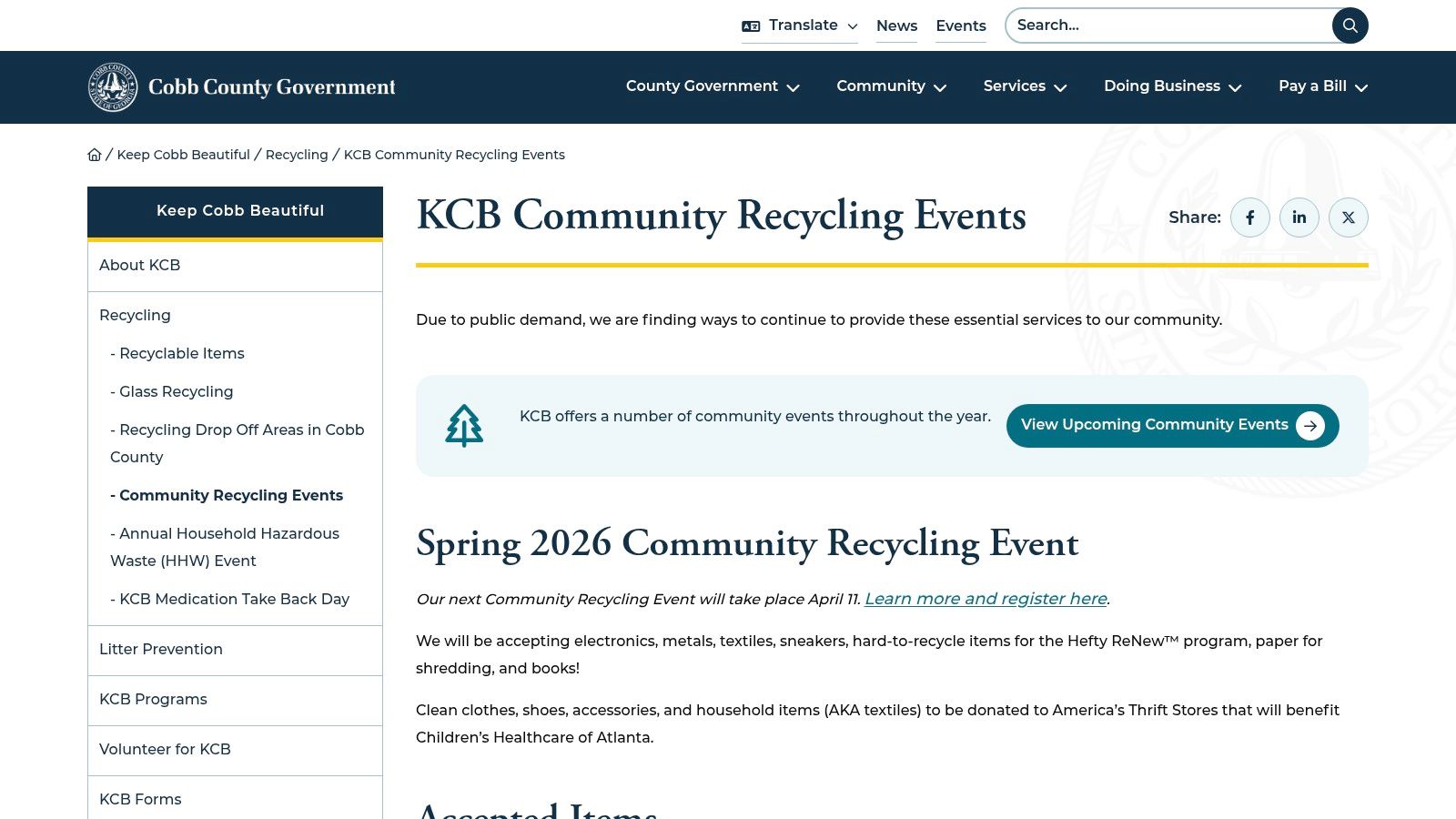
A typical Marietta household cleanout looks like this. One old printer, a couple of dead laptops, a bag of cables, boxes for shredding, and maybe a few textiles or metal items you have been meaning to remove for months. Keep Cobb Beautiful community recycling events fit that job well because they are built for mixed residential loads, not just a single piece of e-waste.
The drive-through format helps more than the event flyer suggests. If you are bringing a monitor, a desktop tower, and several bags of material, having staff and volunteers direct traffic and unload items keeps the process efficient. For a homeowner, that can turn a postponed cleanup into a completed one.
Where this event fits best
This is a strong option for residents who want to consolidate errands. You can often bring electronics, paper for shredding, textiles, scrap metal, and certain specialty plastics in the same trip. If you are not sure what belongs in the electronics pile before you go, this guide to what electronics can be recycled in Atlanta helps sort the common items.
A few advantages stand out:
- Mixed-material convenience: Good for households clearing out more than just old tech.
- Clear county administration: Event details, restrictions, and contact information are usually posted in one place.
- Assisted unloading: Helpful for heavier or awkward items such as printers, tower PCs, and older displays.
Limits to watch for
The weak point is usually screen disposal. TVs and older monitors often carry separate fees or tighter acceptance rules, especially for CRT units, so check the event page before loading the car. Those rules change more often than people expect.
There is also a scale issue. Public county events work well for a family sedan or SUV load. They are less practical for a business with tagged assets, multiple hard drives, or a need to document what left the office and how data was destroyed.
That distinction matters. If your company has ten retired laptops, a stack of monitors, and compliance obligations, a public event may accept the material but still leave gaps in chain of custody, reporting, and secure media handling. For businesses, that is usually the point where a dedicated ITAD provider makes more sense than a community drop-off.
2. Gwinnett Clean & Beautiful – Earth Day Recycling Event (Duluth)
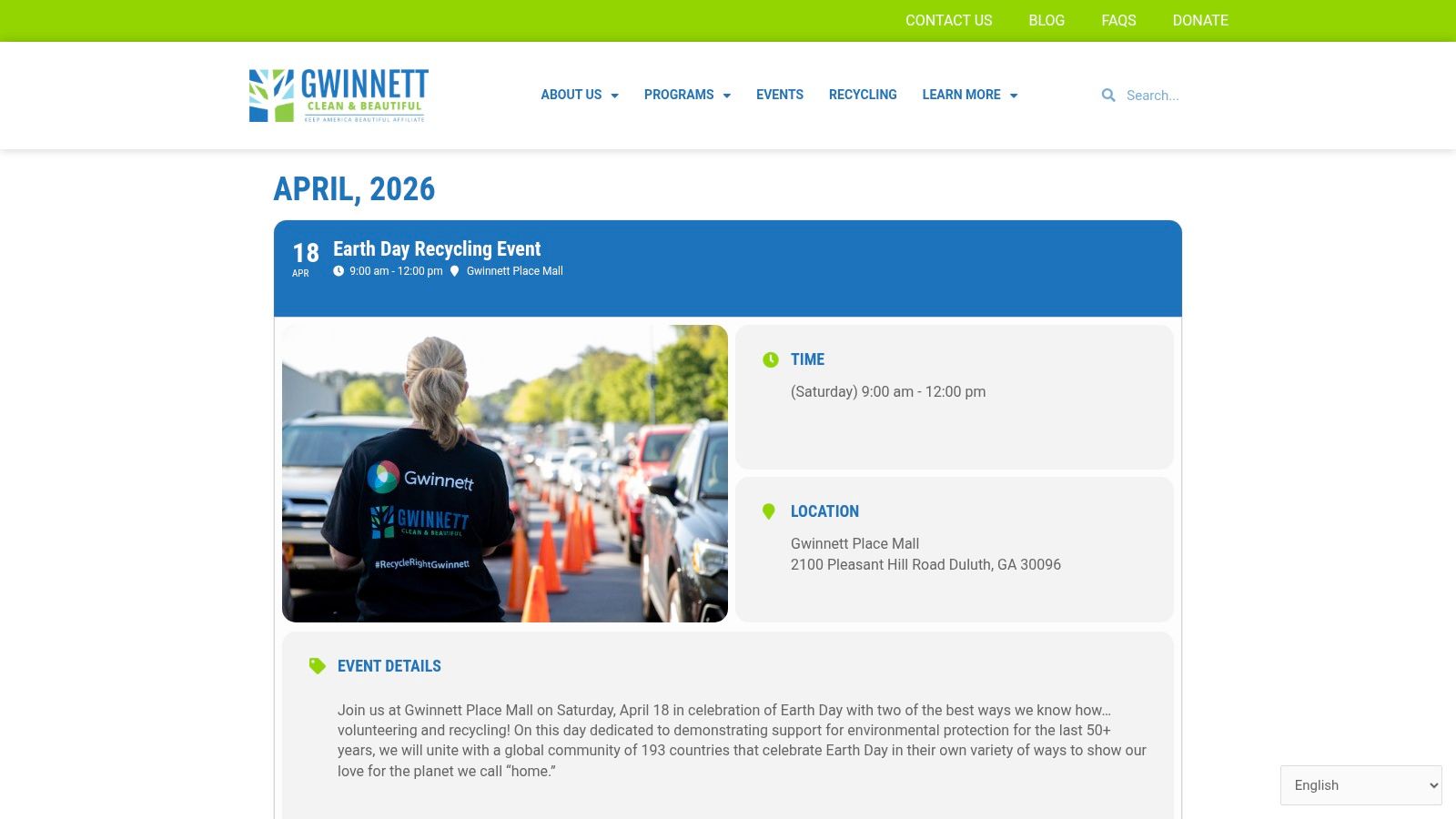
If your search for an electronic recycling event near me is really about convenience, Gwinnett Clean & Beautiful’s Earth Day Recycling Event is easy to understand. The itemized fee schedule is public, the mall setting is straightforward to get around, and the event usually combines electronics with paint, clothing, shoes, tires, and paper shredding.
That clarity helps. A lot of event listings are vague. This one tends to tell you upfront what costs extra and what restrictions apply.
Why residents like this format
This is a practical community drop-off for household cleanup, especially if you’ve got a small pile of electronics plus a few non-electronic items that local curbside service won’t take.
The strongest points are simple:
- Published fees: You can estimate the cost of monitors, TVs, printers, and other problem items before leaving home.
- Central public venue: Mall traffic flow usually makes entry and exit easier than smaller parking-lot events.
- Broader event mix: If you need shredding and paint disposal on the same day, this setup is efficient.
If anyone in your household is tempted to toss old electronics in the bin instead, this explanation of why you should never throw electronics in the trash covers the environmental side in plain language.
Where this falls short for business equipment
The community-event model starts to strain once you move beyond residential cleanup. Fee schedules are manageable for one or two devices. They’re less practical when an office has dozens of monitors, old workstations, or network gear.
That mismatch is common. Public event coverage often centers on free or low-cost residential drop-offs and accepted item lists, while business users still need secure handling for data-bearing assets and organized bulk removal, a gap highlighted by Rapid Recycle’s review of event-focused content and business e-waste needs.
Public events answer “Where do I take this old monitor?” Businesses usually need answers to “Who documents custody, destroys the drive, and picks up from our site?”
If you’re a homeowner with a carload, this event makes sense. If you’re an IT manager with a storeroom, it usually doesn’t.
3. City of Dunwoody – Electronics Recycling Event (Dunwoody)
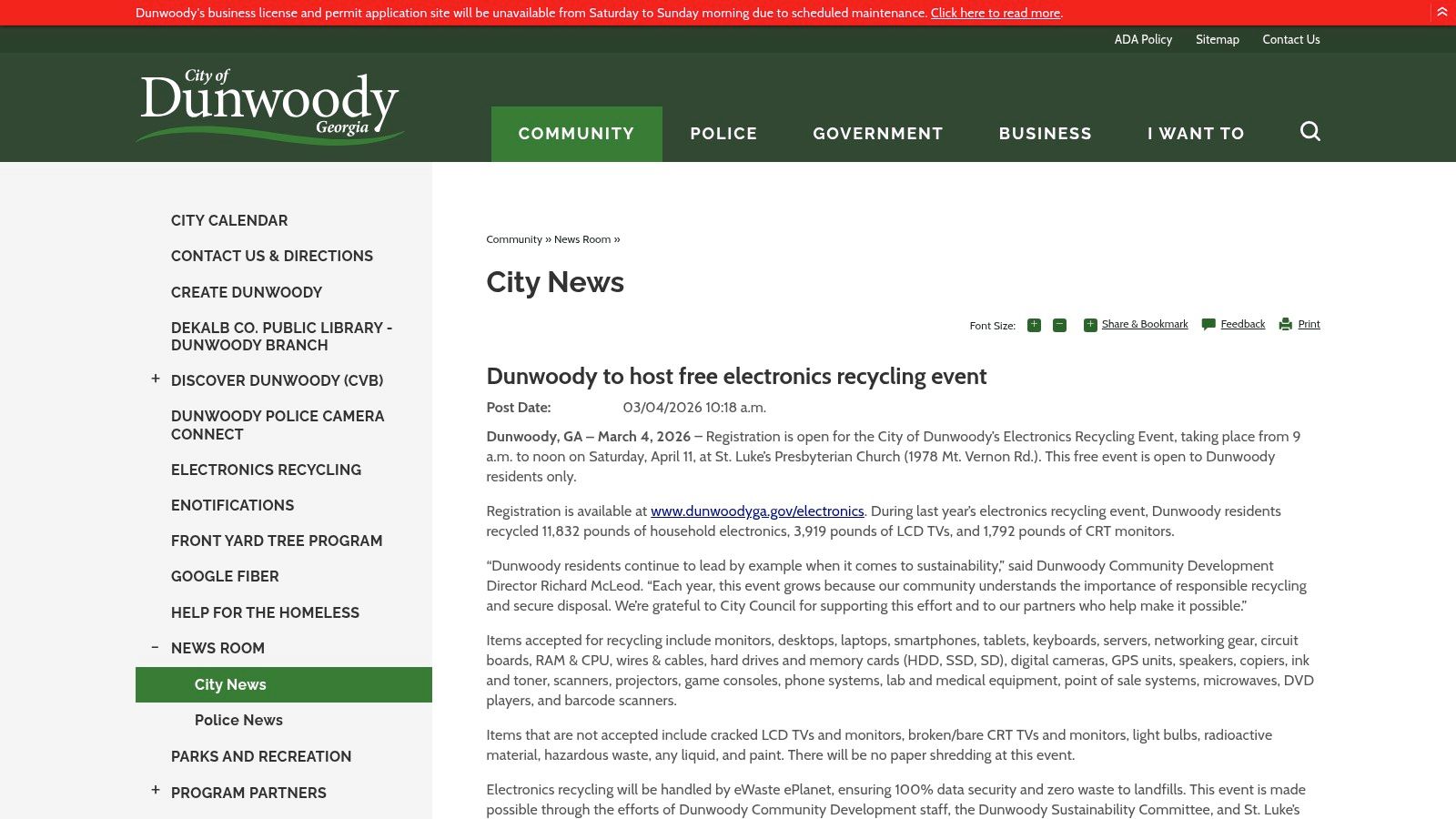
You clean out a home office, load two laptops, a printer, and a box of old cables into the car, and want a drop-off that is simpler than a countywide recycling fair. The City of Dunwoody’s electronics recycling event fits that job well. It is focused on electronics, aimed at residents, and organized enough to appeal to people who want a defined list of accepted items before they leave home.
That narrower format is the main advantage here. Electronics-only events usually create fewer surprises than broad community recycling days, especially if you are bringing standard household tech instead of paint, paper, and mixed waste.
Where Dunwoody works well
This event makes sense for residents clearing out common consumer devices. Desktops, laptops, accessories, media, and small networking gear fit the event better than a general spring-cleaning load.
A few practical strengths stand out:
- Resident-focused setup: That usually keeps the event more orderly and easier to plan for.
- Clear accepted-items guidance: Helpful when you have older accessories or less obvious electronics.
- Registration availability: Useful if you want a more predictable drop-off experience.
Before drop-off, review computer recycling data security tips for preparing a device. Even at a well-run public event, you should sign out of accounts, remove personal labels, and pull anything you are not ready to release.
What “secure handling” does and does not mean
City event language about secure handling is reassuring for households. It is still a different standard from a documented business destruction process.
For a resident recycling one family laptop, that distinction may be acceptable. For a business retiring employee systems, it usually is not. Companies often need a recorded chain of custody, serialized asset tracking, formal data destruction, and documentation that can stand up to internal policy reviews or outside compliance questions.
That is the trade-off with public events like Dunwoody. They answer the residential question: where can I take old electronics this weekend? They do not usually answer the business question: who will pick up equipment from our office, track each asset, sanitize data to a defined standard, and issue supporting paperwork?
If a recycler cannot clearly explain its data sanitization method and the documentation you will receive, treat the event as a residential drop-off option.
Dunwoody’s event is a solid choice for local households. Businesses with retired laptops, workstations, servers, or regulated data need an ITAD provider built for security, reporting, and commercial volume.
4. Georgia Natural Gas – Free Electronics Recycling at Lenox Square
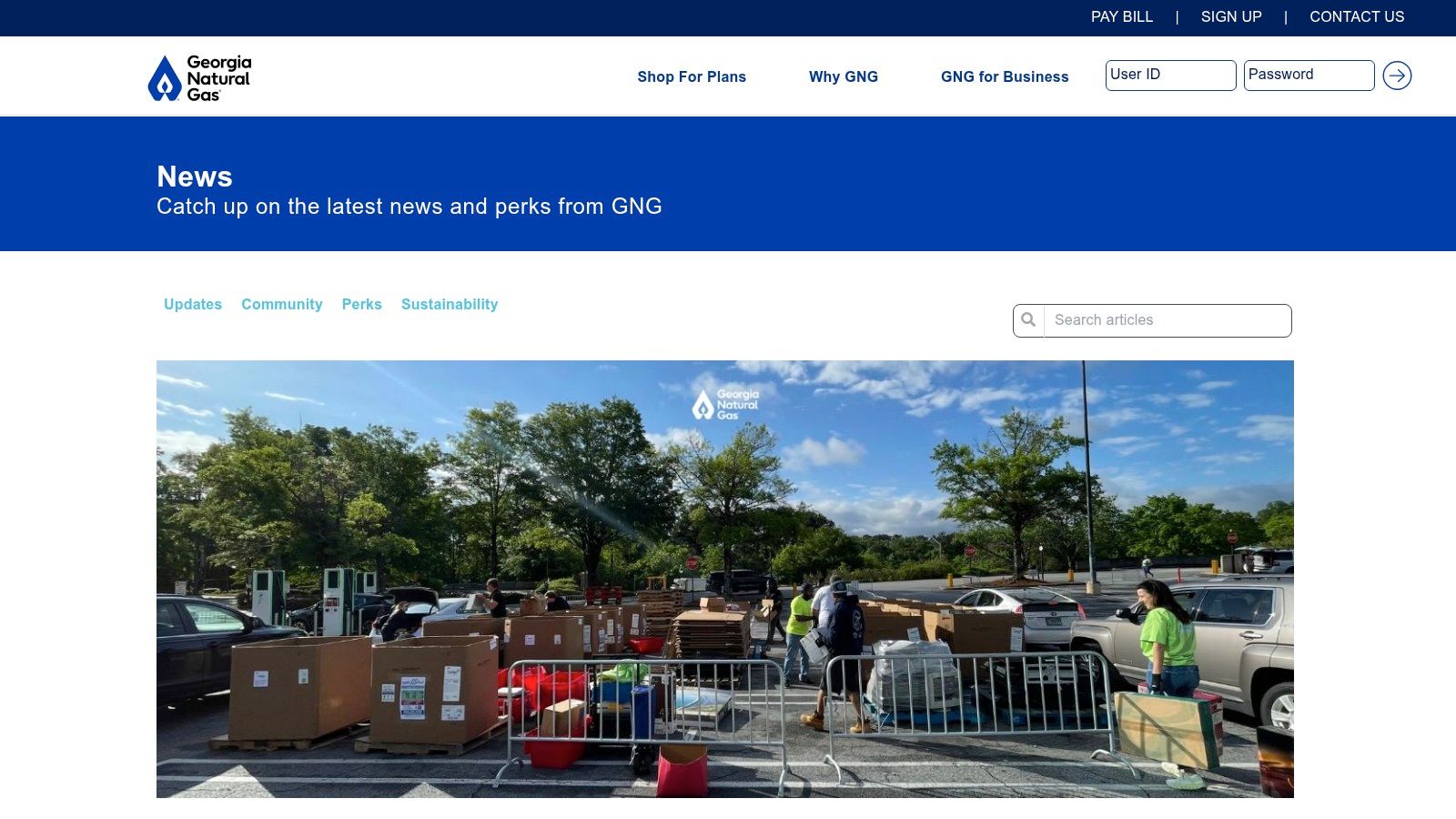
Georgia Natural Gas’s Earth Week electronics recycling event at Lenox Square is the most visible option on this list. It’s centrally located, free, and partnered with an R2-certified recycler. For many Atlanta residents, that combination is enough to make it the easiest answer to electronic recycling event near me.
It also stands out because it’s advertised to both residents and businesses. That sounds promising, but “open to businesses” and “built for business disposal” are not the same thing.
Why this event gets attention
There’s a lot to like about the format. Lenox Square is easy to find, event staff help unload vehicles, and the Earth Week timing nudges people to finally clear out old electronics they’ve been storing.
A few practical strengths:
- No drop-off fee: That lowers the barrier for households with small or medium loads.
- R2-certified partner: A stronger signal of responsible downstream processing than a vague recycling claim.
- Business-friendly messaging: Useful for very small offices with a few devices to retire.
If you need a scheduled commercial pickup instead of a one-day public event, Atlanta electronics recycling pickup options are the better route.
Where “free” stops being enough
A free event is excellent for convenience. It’s weak for process control. Businesses usually need pickup coordination, inventory tracking, and a documented handoff that survives an internal audit.
That need is growing, not shrinking. The electronics recycling market is projected to expand from USD 43.20 billion in 2025 to USD 167.33 billion by 2036, with the PCs and laptops segment forecasted to hold a 45.0% revenue share in 2026. That reflects the same reality many Atlanta organizations are dealing with now. More retired laptops, more refresh cycles, more data-bearing assets to manage correctly.
For a startup with three old monitors, this Lenox event can work. For a hospital department, school district, or law office, free public drop-off usually leaves too many unanswered questions.
5. City of Tucker + FODAC – Electronics & HME Recycling Day (Tucker)
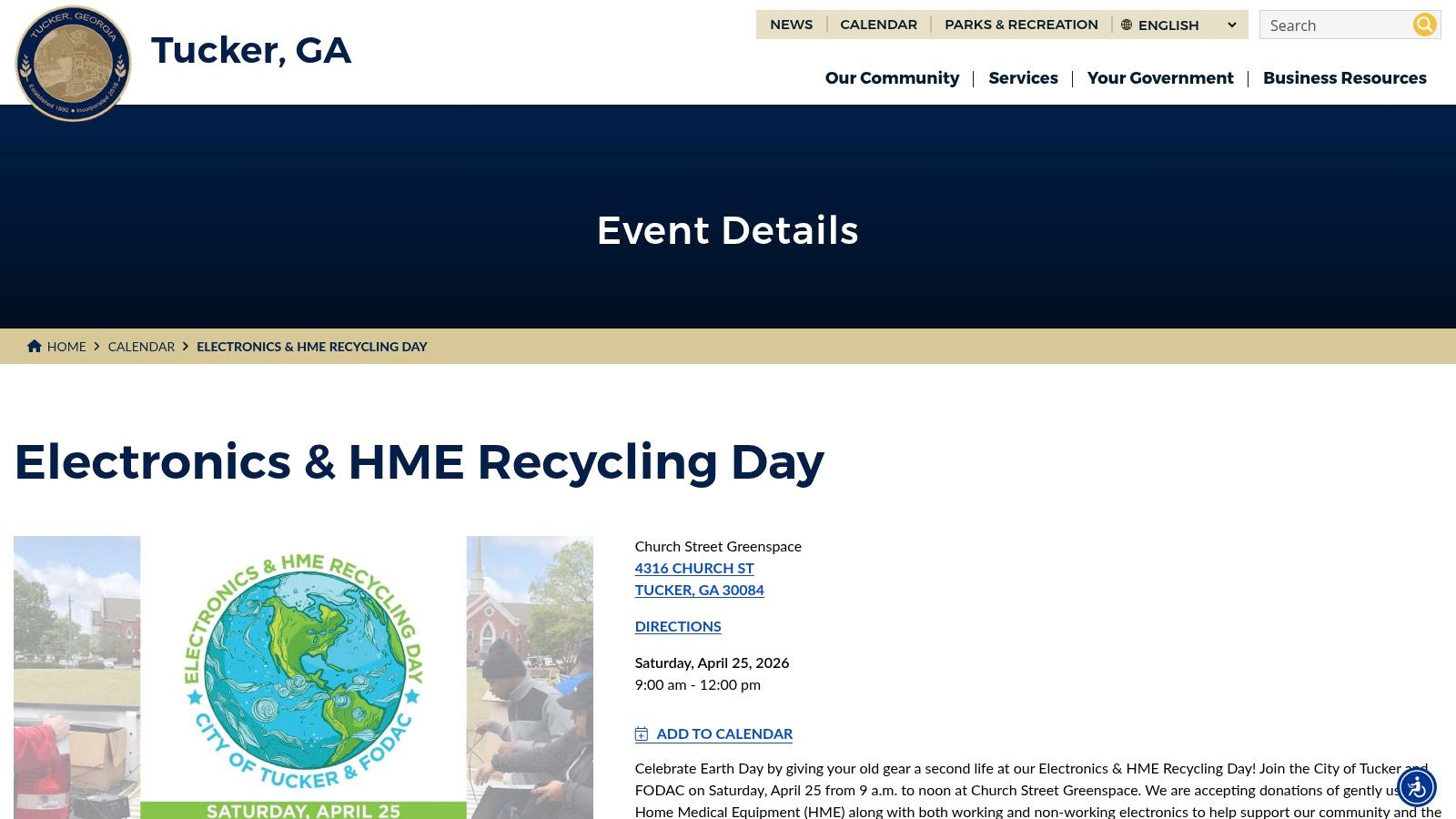
The City of Tucker’s Electronics & HME Recycling Day is different from the standard e-waste drive because it combines electronics collection with home medical equipment donations to FODAC. If you’re cleaning out a family member’s home, downsizing, or helping with an estate transition, that combined format is useful.
This kind of event does two jobs at once. It gets obsolete electronics out of the house and gives reusable medical equipment a second life through donation.
Strong fit for household cleanouts
The city-backed guidance is straightforward, which is exactly what most residents need. Computers, laptops, game consoles, and standard flat-screen TVs are accepted, while exclusions are spelled out clearly enough to avoid hauling the wrong items.
Reasons this event works:
- Reuse plus recycling: Home medical equipment doesn’t have to be treated like trash if it’s still usable.
- Clear exclusions: Tube, console, and CRT-style TVs are specifically not part of the event.
- Community setting: Good for household decluttering projects that involve more than just electronics.
If you’re sorting accepted devices before attending, this Atlanta electronics recycling overview can help narrow down what belongs at a drop-off event versus a specialty recycler.
The practical downside
This is not the event for difficult screen disposal or for anything that looks like commercial surplus. If your load includes old tube TVs, damaged displays, or several carts of office hardware, you’ll need another solution.
Public events also tend to be built around passenger vehicles, not facility moves. Reviews of community listings in other markets show recurring limits, truck-capacity cutoffs, and residential assumptions that don’t scale to bulk office disposal, a pattern noted in Zero Waste Sonoma’s event coverage and analysis of business disposal gaps.
For residents, Tucker’s event is thoughtful and practical. For organizations, it’s still a household-format program.
6. Earth Day on the Green – Peachtree Corners (Town Green)
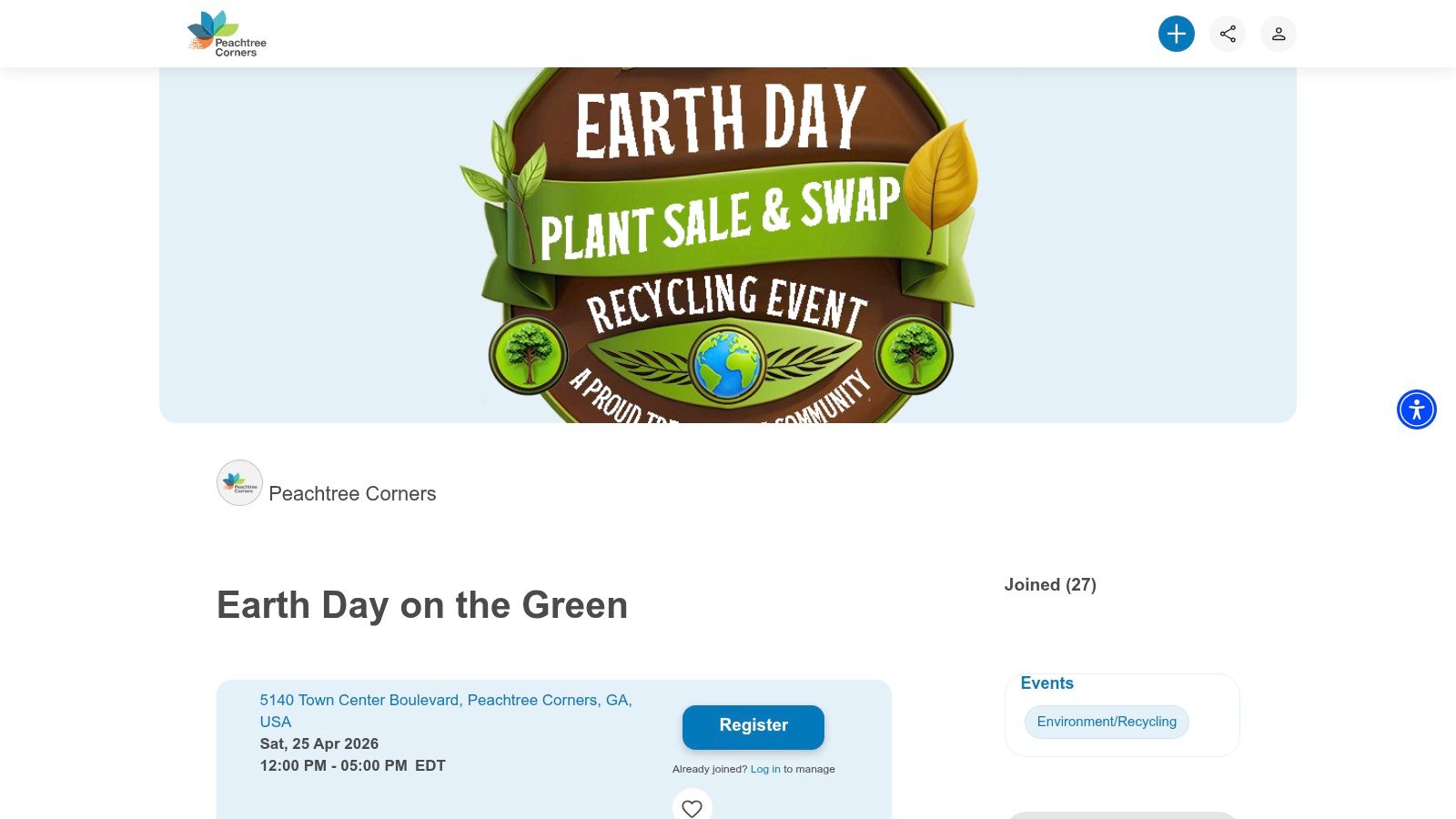
Earth Day on the Green in Peachtree Corners is less of a dedicated disposal operation and more of a community sustainability event that includes electronics recycling. That changes the experience. It feels more like a festival stop than a strict drive-through collection line.
For small personal loads, that’s a plus. If you’re carrying a dead laptop, an old modem, and a bag of chargers, you can fold the drop-off into a weekend outing instead of planning the morning around a disposal errand.
Best for light loads
This option is strongest when your volume is low and flexibility matters more than industrial efficiency. You don’t need the event to behave like a loading dock. You just need a legitimate place to hand off a few unwanted devices.
A few reasons people choose it:
- Weekend timing: Easier for families and busy professionals.
- Community atmosphere: Less intimidating than a heavy-traffic drive-through setup.
- Convenient for small electronics: Phones, chargers, cables, and compact devices fit the format well.
Bring your smallest pile to the least complicated event. Save specialized recyclers for heavier, messier, or data-sensitive loads.
Why businesses should pass
Festival-style events rarely publish the operational detail commercial users need. You may not know acceptance limits, exact processing rules, or whether a partner can handle serialized company assets until you arrive.
That matters because organizations retiring equipment need more than a drop spot. They need a repeatable disposition process with secure handling, especially when servers, storage devices, or staff laptops are involved. Public community programming is good at accessibility. It’s not designed around compliance.
If you’re a resident with a few household devices, Peachtree Corners is convenient. If you’re managing decommissioned office hardware, it’s the wrong format.
7. City of Woodstock – Greenstock Day Recycle & Paper Shredding Event (Woodstock)
Saturday morning usually goes one of two ways. You pull into an event that tells you everything up front, or you spend half the trip guessing what they will take and what it will cost. City of Woodstock Greenstock Day flyer falls into the first category, which makes it one of the easier public events to assess before you load the car.
For residents, that matters. Clear rules save time, prevent surprise fees, and reduce the usual confusion around mixed loads.
Woodstock publishes the details people need: hours, location, accepted items, pricing for certain electronics, shredding terms, and whether non-residents can participate. That level of specificity is not glamorous, but it is useful. If you are clearing out a home office, a few dead monitors, old phones, paper files, and bags of household recyclables, you can map the trip before leaving your driveway.
The event format also works well for convenience. It is a drive-through setup with staff unloading vehicles, and it accepts more than just electronics. That gives it a practical edge for households trying to knock out several cleanup tasks in one stop.
A few strengths stand out:
- Clear fee information: TV and monitor charges are posted in advance.
- Efficient vehicle flow: Staff-assisted unloading keeps the process moving.
- Broader access: Non-residents can use it, which widens the catchment area.
- Paper shredding included: Useful for residents purging old files along with devices.
The trade-off is capacity. Public events like this are built for household volumes and personal vehicles. They are less predictable if you show up with a large batch of identical assets, multiple pallets, or equipment that needs serial-number tracking.
That is where the line between residential recycling and business disposition gets real. A homeowner dropping off a few laptops and bank statements needs a convenient collection point. A company retiring employee systems needs documented chain of custody, data destruction records, asset reporting, and pickup logistics that do not depend on a single Saturday event.
Woodstock is a solid public option for residents because the city has made the rules easy to understand. For a business, that same simplicity signals the limit of the service. Once the job involves compliance, security, or volume, public collection events stop being the right tool and a dedicated ITAD provider becomes the better fit.
Comparison of 7 Local Electronics Recycling Events
| Event | Implementation Complexity 🔄 | Resource Requirements ⚡ | Expected Outcomes 📊⭐ | Ideal Use Cases 💡 | Key Advantages ⭐ |
|---|---|---|---|---|---|
| Keep Cobb Beautiful – Spring 2026 Community Recycling Event (Marietta) | Moderate, county-run drive-through with volunteer coordination and registration recommended. | Moderate, vehicle access, volunteers/staff, small cash for CRT fees. | High diversion of mixed household e-waste and hard-to-recycle plastics; one-stop convenience. | Household mixed e-waste drop-offs and bulk residential cleanouts. | Broad material acceptance, on-site shredding, unloading assistance. |
| Gwinnett Clean & Beautiful – Earth Day Recycling Event (Duluth) | Moderate, mall site with multiple partners and fee schedule management. | Moderate, staff, partner vendors, fee processing, traffic control. | High community engagement; clear fee-based acceptance for TVs/monitors/printers. | Residents willing to pay item fees and attend Earth Day activities. | Clear item lists/fees, community exhibits, secure shredding. |
| City of Dunwoody – Electronics Recycling Event (Dunwoody) | Low, city-hosted, resident-only with third-party recycler handling processing. | Low, preregistration and resident verification; recycler manages logistics. | Good secure data-handling and reliable electronics diversion; electronics-only focus. | Dunwoody residents needing secure recycling and data-destruction for electronics. | Free for residents, strong data-security emphasis, long accepted-items list. |
| Georgia Natural Gas – Free Electronics Recycling at Lenox Square | Moderate, one-day corporate event coordinated with an R2-certified partner. | Moderate, event staff, certified recycler, staging; may see long lines. | High visibility and responsible processing; open to residents and businesses. | Residents and small businesses seeking free, certified recycling during Earth Week. | Free drop-off, R2-certified partner, central high-visibility location. |
| City of Tucker + FODAC – Electronics & HME Recycling Day (Tucker) | Low–Moderate, city-run with partner charity coordination for HME donations. | Low, volunteers/partners for HME handling; clear exclusions (no CRTs). | Moderate diversion plus reuse impact via HME donations to charity. | Households with flat-screen electronics and gently used HME for donation. | Combines recycling with charitable reuse (FODAC); city-backed guidance. |
| Earth Day on the Green – Peachtree Corners (Town Green) | Low, festival format with variable recycling services and hours. | Low, festival staffing and temporary recycler; best for light loads. | Modest diversion; strong community engagement and family-friendly outreach. | Small e-waste drop-offs while attending festival activities and vendors. | Convenient weekend hours, family-friendly setting, pairs with sustainability programming. |
| City of Woodstock – Greenstock Day: Recycle & Paper Shredding Event (Woodstock) | Moderate, drive-through unload-for-you format with published fee schedule. | Moderate, on-site shredding (A1), staff unloading, cash/fee handling. | High throughput for household cleanouts; transparent fee-based acceptance. | Participants (including non-residents) with bulk household e-waste and shredding needs. | Clear rules/fees, drive-through unloading, non-resident access, on-site shredding. |
For Businesses: Why Public Events Aren't Enough
The events above are useful. For residents, some of them are excellent. If you’ve got old phones, one broken printer, or a couple of home laptops, a public drop-off is often the right answer.
Business equipment changes the equation.
A company doesn’t just need a place to leave electronics. It needs a documented process for removing assets from service, protecting data, and showing what happened to each device after pickup. Public recycling events usually aren’t built for that. They’re designed for household access, quick unloading, and broad community participation.
The weak points show up quickly in commercial use:
- No reliable chain of custody: Handing over company laptops in a parking lot isn’t the same as a documented transfer from your office to a downstream processor.
- Unclear data destruction standards: Some events mention secure handling, but many don’t specify wiping standards, shredding methods, or what proof you receive afterward.
- Volume and logistics problems: Public events work for a trunk load. They don’t work well for office moves, school refreshes, healthcare cleanouts, or data center decommissioning.
- Limited reporting: Most events don’t provide the asset-level documentation many IT, compliance, and procurement teams need.
That’s why a dedicated B2B ITAD partner like Atlanta Computer Recycling makes more sense for organizations. ACR is built around commercial workflows, not public-event convenience.
The practical difference is service design. ACR can pick up directly from your office, clinic, campus, warehouse, or data center. The team handles on-site packing, removal, and logistics so your staff isn’t stuck staging pallets in a parking lot or using employee vehicles to move retired gear.
Data handling is the bigger issue. ACR offers free DoD 5220.22-M 3-pass hard drive wiping and physical shredding for media that shouldn’t be reused, which is the level of specificity businesses should expect when devices may contain protected or confidential information. That matters for healthcare organizations, schools, public agencies, and any company with regulated data.
You also get the documentation public events typically don’t provide. Chain-of-custody reporting and certificates of destruction are what turn disposal into a defensible business process.
There’s another option that often works even better for employers and property managers. Instead of sending people to scattered public events, ACR can help host a private electronics recycling event for your company, campus, office park, or tenant community. That gives employees a convenient drop-off opportunity while keeping business assets on a separate, secure track.
Use public events for household cleanup. Use professional ITAD for business equipment. That’s the cleanest line to draw, and it prevents the most common mistake I see: treating company assets like consumer clutter.
If you’re retiring office computers, clearing out a server room, or planning a larger IT refresh, Atlanta Computer Recycling is the practical next step. ACR provides secure pickups across the Atlanta metro area, DoD 5220.22-M 3-pass wiping, physical media shredding, and business-ready reporting that public e-waste events usually can’t offer. Reach out when you need compliant, low-disruption electronics recycling built for commercial environments.