The Complete Guide to Office Technology Recycling in Atlanta

Electronic Waste Disposal in Atlanta: The Complete Guide to Office Technology Recycling
In today’s digital age, the responsible disposal of office technology is crucial for both environmental sustainability and data security. This comprehensive guide explores the various methods available for recycling office electronics in Atlanta, emphasizing the importance of secure data destruction and environmentally compliant practices. Many businesses face challenges in managing electronic waste, which can lead to data breaches and environmental harm if not handled properly. By understanding the recycling options and regulations, companies can ensure they are making informed decisions that protect their data and the environment. This article will cover how businesses can securely recycle their office electronics, the steps to schedule e-waste pickups, the types of electronics accepted for recycling, and the environmental regulations governing these practices.
How Can Businesses Securely Recycle Office Electronics in Atlanta?
Secure recycling of office electronics involves several critical steps to ensure data protection and environmental compliance. Businesses must prioritize secure data destruction methods to prevent unauthorized access to sensitive information. Local recycling services, such as Atlanta Computer Recycling, offer specialized solutions that not only focus on data security but also adhere to environmental regulations. By choosing local providers, businesses can benefit from quick response times and community trust, ensuring a seamless recycling process.
What Are Certified Data Destruction Methods for Office Technology?
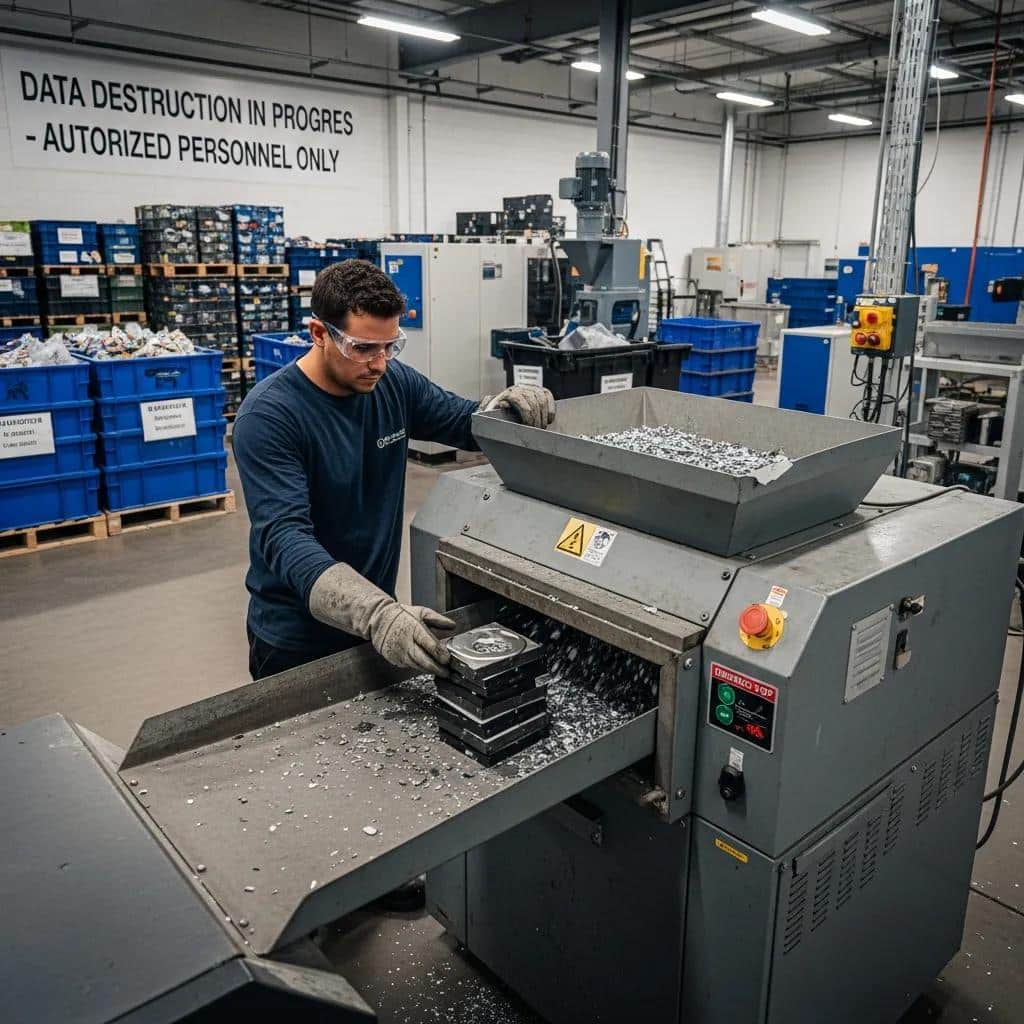
Certified data destruction methods are essential for safeguarding sensitive information during the recycling process. These methods include physical destruction, such as shredding hard drives, and data wiping techniques that meet industry standards like NIST 800-88. Certification ensures that the destruction process is compliant with regulations, providing businesses with peace of mind that their data is irretrievable. Utilizing certified services minimizes the risk of data breaches and enhances overall security.
Further emphasizing the importance of standardized data destruction, NIST provides comprehensive guidelines:
NIST Guidelines for Secure Media Sanitization
NIST SP 800-88 “Guidelines for Media Sanitization” provides useful information that will assist companies in implementing a media sanitization
NIST MEP cybersecurity self-assessment handbook for assessing NIST SP 800-171 security requirements in response to DFARS cybersecurity requirements, 2017
Why Choose Local Atlanta Computer Recycling Services?
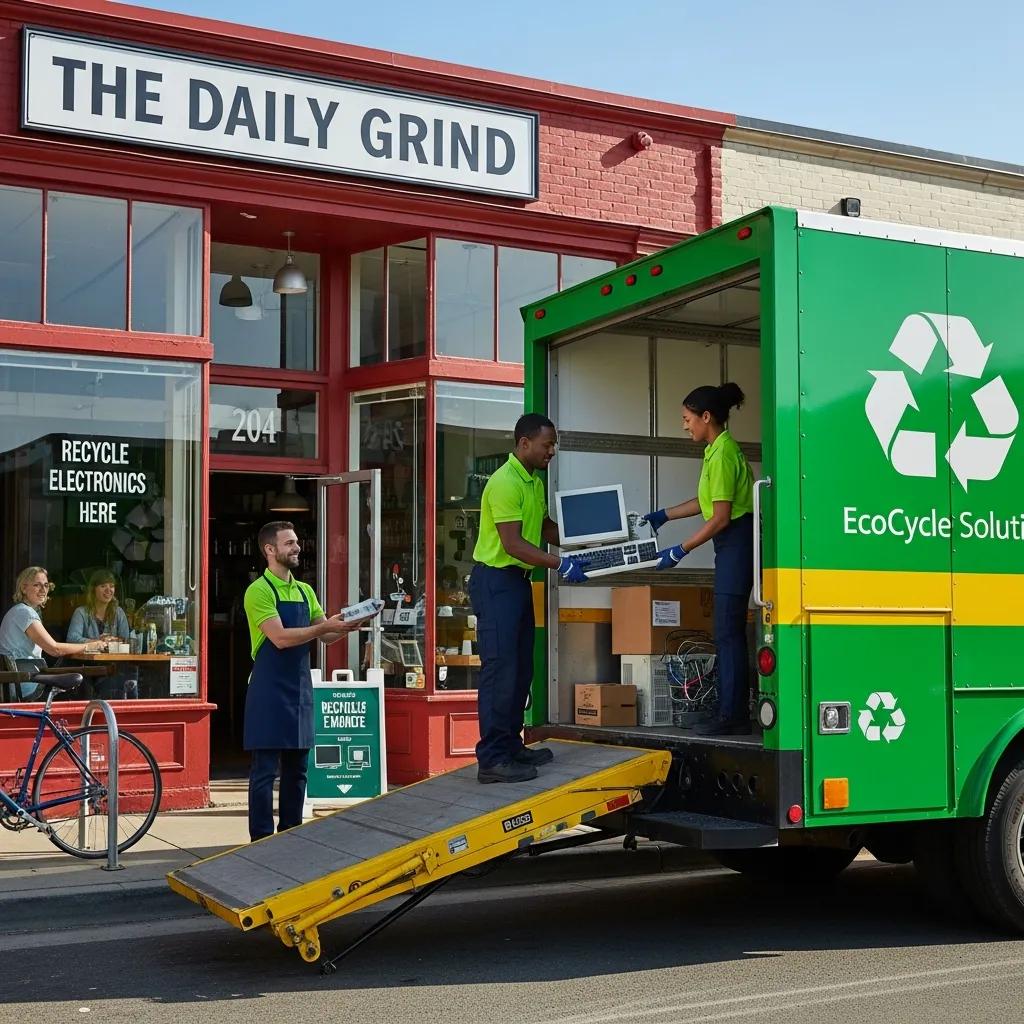
Opting for local recycling services like “Atlanta Computer Recycling” offers numerous advantages. Local providers understand the specific needs of Atlanta businesses and can offer tailored solutions for electronic waste disposal. Additionally, they often provide convenient pickup options, making the recycling process hassle-free. By supporting local businesses, companies can also contribute to the community’s economic growth and environmental sustainability.
How Do You Schedule Business E Waste Pickup Services in Atlanta?
Scheduling “e-waste pickup” services in Atlanta is a straightforward process that can significantly simplify the disposal of office electronics. Businesses can contact local recycling providers to arrange for pickups, ensuring that their electronic waste is handled responsibly. Many services offer flexible scheduling options to accommodate the needs of different organizations.
What Are the Steps to Arrange Convenient E Waste Pickup?
To arrange a convenient e-waste pickup, businesses should follow these steps:
- Initial Contact: Reach out to a local recycling service to discuss your needs and the types of electronics you wish to recycle.
- Scheduling Options: Choose a pickup date and time that works best for your organization.
- Confirmation Process: Confirm the details of the pickup, including any specific requirements for the electronics being disposed of.
By following these steps, businesses can ensure a smooth and efficient recycling process.
What Pricing Options Are Available for Office Electronics Disposal?
Pricing for office electronics disposal can vary based on the type and quantity of items being recycled. Many local recycling services offer transparent pricing structures, allowing businesses to understand the costs involved. Options may include flat fees for specific items or tiered pricing based on the volume of electronics. It’s advisable for businesses to inquire about any available discounts for bulk pickups or regular service agreements.
Which Office Electronics Are Accepted for Responsible Recycling in Atlanta?
Responsible recycling programs in Atlanta accept a wide range of office electronics, ensuring that businesses can dispose of their outdated technology safely. Understanding what can be recycled is essential for compliance and environmental responsibility.
What Types of Corporate Technology Can Be Recycled?
Common types of corporate technology that can be recycled include:
- Computers: Desktops and laptops are often accepted, provided they are free of sensitive data.
- Printers: Many recycling programs accept printers, which can be disassembled and recycled.
- Monitors: CRT and flat-screen monitors can be recycled, but may require special handling due to hazardous materials such as lead and mercury.
These items can be processed in an environmentally friendly manner, reducing landfill waste and promoting sustainability.
Are There Restrictions on Electronic Waste Items?
While many electronics can be recycled, there are restrictions on certain items. Prohibited items may include:
- Household Appliances: Items like microwaves and refrigerators are typically not accepted by e-waste recyclers focused on office electronics.
- Hazardous Materials: Batteries and certain chemicals may require special disposal methods and are often handled separately.
- Non-Electronic Waste: General trash and non-electronic items should not be included in e-waste pickups.
Understanding these restrictions helps businesses comply with local regulations and ensures that recycling efforts are effective.
What Environmental Regulations Govern Office Technology Recycling in Georgia?
Environmental regulations play a crucial role in governing the recycling of office technology in Georgia. These regulations ensure that electronic waste is disposed of in a manner that protects public health and the environment.
How Does Atlanta Computer Recycling Ensure EPA Compliance?
“Atlanta Computer Recycling” adheres to strict EPA compliance standards, ensuring that all electronic waste is processed according to federal and state regulations. This includes proper handling of hazardous materials and documentation of the recycling process. By following these guidelines, the company helps businesses meet their legal obligations while promoting environmentally responsible practices.
What Are Georgia’s Business Electronics Disposal Requirements?
Georgia’s business electronics disposal requirements mandate that companies properly manage their electronic waste to prevent environmental contamination. Businesses are responsible for ensuring that their e-waste is recycled through certified programs that comply with state regulations. While Georgia does not have a statewide e-waste recycling law for businesses, local ordinances and federal regulations apply. Failure to comply can result in penalties and damage to a company’s reputation. By partnering with certified recycling services, businesses can fulfill their obligations and contribute to a sustainable future.
The broader context of environmental compliance highlights the ongoing challenge for businesses and designers alike:
Environmental Compliance for Electronic System Recycling
The challenge for designers in today’s waste-disposal-aware society is to produce environmentally compliant systems. This chapter describes critical environmental considerations during the design and development stages that have tremendous impact during product disposal and recycling.
Recycling requirements and design for environmental compliance, J Lienig, 2017
- Category:Services