How to Prepare Your Computer for Recycling: Data Security Tips

How to Prepare Your Computer for Recycling: Essential Data Security Tips for Safe Disposal
Recycling your computer is a responsible choice, but it comes with the critical task of ensuring your data is secure before disposal. Many individuals overlook the importance of data security when preparing their computers for recycling, which can lead to identity theft or data breaches. This article will guide you through essential steps to prepare your computer for recycling, focusing on data security. You will learn how to back up important data, effective data wiping methods, and the importance of certified data destruction services. Additionally, we will discuss how to schedule electronic waste pickup in Atlanta and the environmental considerations involved in recycling computers.
What Are the Key Steps to Securely Erase Data Before Recycling Your Computer?
To securely erase data before recycling your computer, it is essential to follow a systematic approach that ensures all sensitive information is completely removed. This process typically involves backing up important data, employing effective data wiping methods, and verifying that the data has been successfully erased. By taking these steps, you can protect your personal information and reduce the risk of data breaches.
How to Back Up Important Data Before Recycling
Backing up your important data is the first step in preparing your computer for recycling. There are several effective methods to ensure your data is safely stored:
- Cloud Storage: Services like Google Drive or Dropbox allow you to store files securely online, making them accessible from any device.
- External Hard Drives: Using an external hard drive provides a physical backup of your data, which can be easily connected to your new device.
- Backup Software: Programs like Acronis True Image or EaseUS Todo Backup can automate the backup process, ensuring that all your files are saved efficiently.
These methods not only safeguard your data but also make the transition to a new device smoother.
Which Data Wiping Methods Ensure Complete Data Removal?
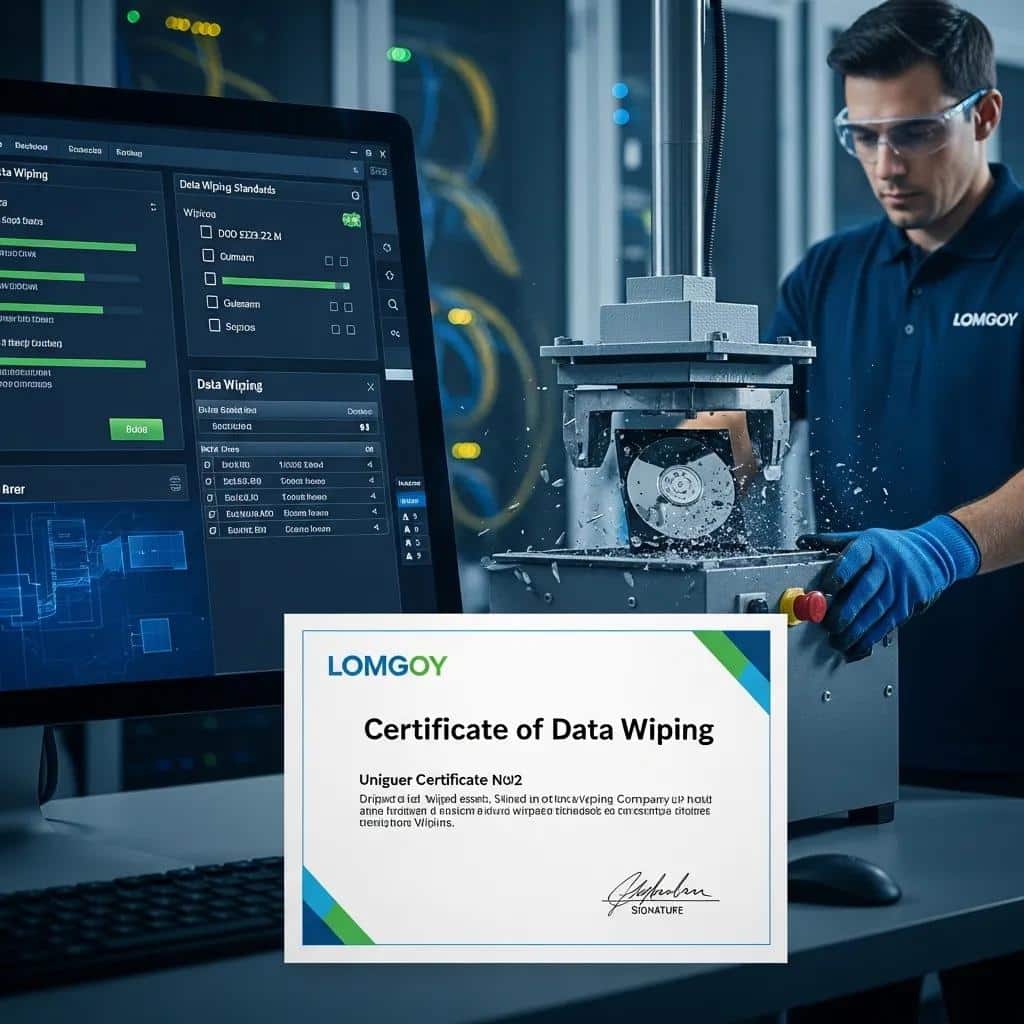
Once your data is backed up, the next step is to wipe your hard drive to ensure that no sensitive information remains. Here are some effective data wiping methods:
- Software Tools: Programs like DBAN (Darik’s Boot and Nuke) or CCleaner can securely erase data by overwriting it multiple times, making recovery highly unlikely.
- Physical Destruction: For those who want to ensure absolute data security, physically destroying the hard drive through shredding or drilling is an option.
- Certification of Data Wiping: Many services offer certified data wiping, providing documentation that your data has been securely erased according to industry standards.
Choosing the right method depends on your specific needs and the level of security you require.
Further research underscores the importance of carefully evaluating data erasing tools, as their effectiveness in achieving permanent data removal can vary.
Evaluating Data Erasing Tools for Permanent Data Removal
The permanent removal of data from media is a major area of concern mainly because of the misconception that once a file is deleted or storage media is formatted, it cannot be recovered. There has been the development of both commercial and freeware data erasing tools, which all claim complete file or disk erasure. This report analyzes the efficiency of a number of these tools in performing erasures on an electromechanical drive.
An evaluation of data erasing tools, A Jones, 2020
Despite the advancements in data wiping software, it’s crucial to be aware of common misconceptions, as some studies suggest that traces of data may still persist even after a disk has been seemingly erased.
Data Wiping Misconceptions: Traces May Remain After Disk Erasure
Destroying or clearing evidence is sometimes necessary for data protection, such as in cases of legitimate purposes or to conceal cybercrimes. Various techniques have been proposed for this task, including data wiping, which can permanently remove data from computer disks. However, it is a common misconception that wiping data will completely destroy all traces of it, as evidence may still remain in the file system, including metadata. The results of this study highlight the need for caution when using data-wiping tools for data protection or to conceal cybercrimes, as they may not provide complete protection.
Towards Detecting Digital Criminal Activities Using File System Analysis, M Al-Fayoumi, 2023
What Certified Data Destruction Options Are Available for Computer Recycling?
Certified data destruction is a crucial aspect of preparing your computer for recycling. It ensures that your data is not only erased but done so in compliance with legal and environmental standards. Various options are available for certified data destruction, each with its own benefits.
How Does Hard Drive Shredding Compare to Data Wiping?
Hard drive shredding and data wiping are two primary methods of data destruction, each with distinct advantages:
- Hard Drive Shredding: This method physically destroys the hard drive, rendering it completely unusable. It is the most secure option for those with highly sensitive data.
- Data Wiping: This process involves overwriting the data on the hard drive. While effective, it may not be as foolproof as shredding, especially if the drive is damaged or malfunctioning.
For the highest level of security, professional data destruction services often employ methods like shredding and degaussing, ensuring that hard drives and other storage media are rendered completely unrecoverable.
Professional Data Destruction: Shredding & Degaussing for Hard Drives
With data breaches and identity theft growing concerns, a local company is betting many companies will want to have their old electronic equipment turned into unrecognizable shreds. Security Engineered Machinery Co. Inc. has opened a facility where it will destroy electronic records from businesses and government agencies. The machines can destroy computer hard drives, flash media devices and other data storage equipment, using special degaussing technology to completely erase magnetic media. The facility will accept walk-in customers who can kill their computer hard drive for a minimum of $25.
SEM Shred
Choosing between these methods depends on the sensitivity of the data and your compliance requirements.
Why Choose Certified Data Destruction Services in Atlanta?
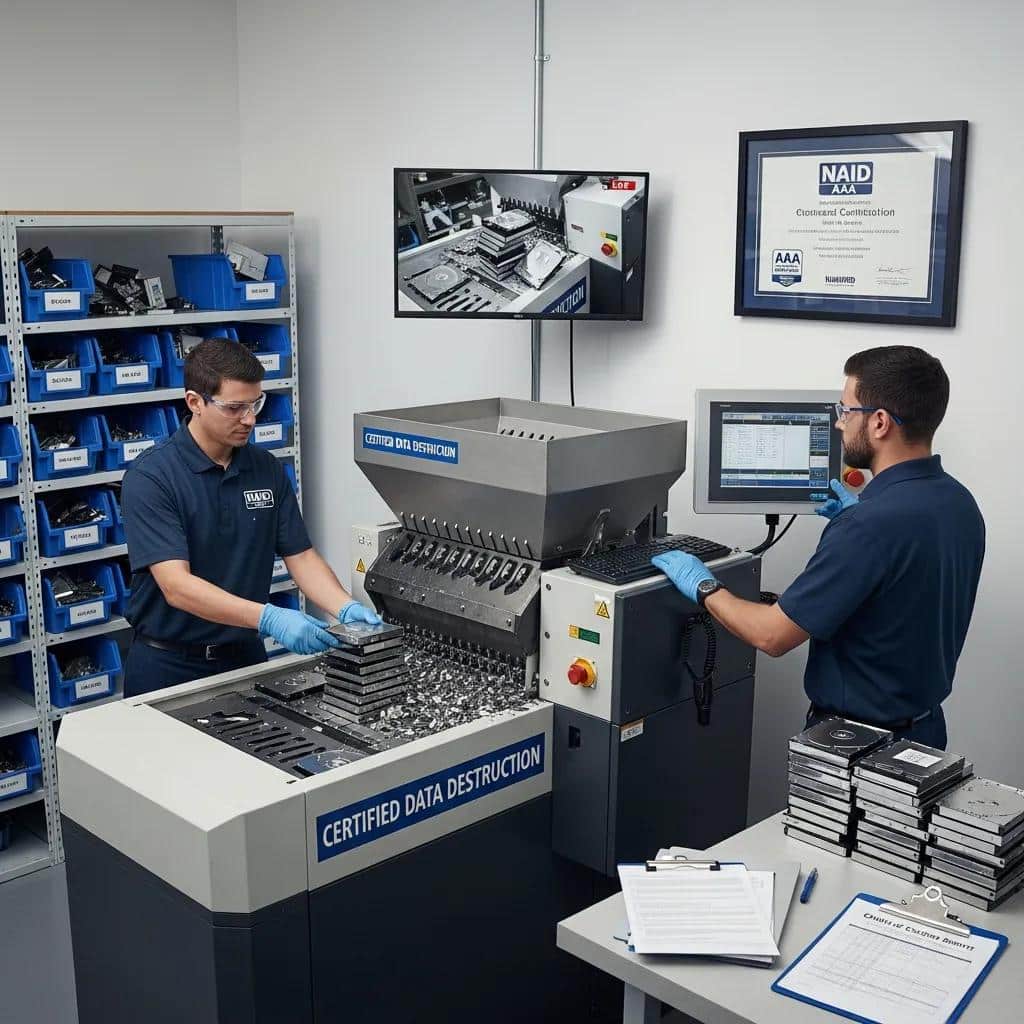
Opting for certified data destruction services in Atlanta offers several advantages:
- Compliance with Regulations: Certified services ensure that your data destruction meets local and federal regulations, protecting you from potential legal issues.
- Trust and Reliability: Using a certified service provides peace of mind, knowing that professionals are handling your data securely.
- Local Expertise: Atlanta-based services understand the specific regulations and requirements for data destruction in the area, ensuring compliance and security.
These benefits make certified data destruction a wise choice for anyone preparing their computer for recycling.
How Can You Schedule Electronic Waste Pickup in Atlanta for Your Computer?
Scheduling electronic waste pickup is a convenient way to dispose of your computer responsibly. Here are the steps to arrange for pickup:
- Contact Local Service Providers: Reach out to electronic waste recycling companies in Atlanta to inquire about their pickup services.
- Choose a Pickup Time: Many services offer flexible scheduling options, allowing you to select a time that works best for you.
- Prepare Items for Pickup: Ensure that your computer and any other electronic devices are ready for collection, following any specific instructions provided by the service.
By following these steps, you can ensure a smooth and efficient recycling process.
What Are the Steps to Arrange Convenient E Waste Pickup?
Arranging convenient e-waste pickup involves a few straightforward steps:
- Research Local Providers: Look for certified e-waste recycling services in Atlanta that offer pickup options.
- Schedule a Pickup: Use the provider’s online system or call to set up a pickup time that fits your schedule.
- Prepare Your Electronics: Gather all devices you wish to recycle and ensure they are accessible for the pickup team.
This process simplifies the recycling of your old electronics while ensuring they are disposed of responsibly.
Which Local Services Offer Certified Recycling and Data Security?
In Atlanta, several local services provide certified recycling and data security. These services typically include:
- Atlanta Computer Recycling: Specializes in secure data destruction and environmentally responsible recycling solutions for both businesses and individuals.
- E-Waste Atlanta: Offers comprehensive e-waste recycling services, including pickup and certified data destruction.
- Green IT Recycling: Focuses on sustainable recycling practices while ensuring data security through certified destruction methods.
Choosing a local service ensures that your electronic waste is handled responsibly and securely.
What Environmental and Legal Considerations Should You Know When Recycling Computers?
Recycling computers involves various environmental and legal considerations that are essential to understand. Proper disposal of electronic waste is crucial for minimizing environmental impact and ensuring compliance with regulations.
How Do Atlanta’s Recycling Regulations Impact Data Security?
Atlanta follows Georgia state regulations and federal guidelines regarding electronic waste recycling that impact data security. These regulations require:
- Proper Data Destruction: Ensuring that all data is securely erased before disposal to prevent identity theft and data breaches.
- Environmental Compliance: Adhering to laws that govern the disposal of hazardous materials found in electronics, such as lead, mercury, and cadmium.
Understanding these regulations helps individuals and businesses comply with legal requirements while protecting sensitive information.
What Are the Benefits of Professional Recycling Services for Compliance?
Utilizing professional recycling services offers several benefits for compliance:
- Expertise in Compliance: Professionals are knowledgeable about local, state, and federal regulations, ensuring that your recycling practices meet all legal requirements.
- Reduction of Liability: By using certified services, you minimize the risk of data breaches and potential legal repercussions.
- Environmental Benefits: Professional recyclers follow best practices for e-waste disposal, reducing the environmental impact of electronic waste.
These advantages highlight the importance of choosing professional services for recycling your computer.
- Category:Services